
Pioneer Woman Italian Cookies Recipe

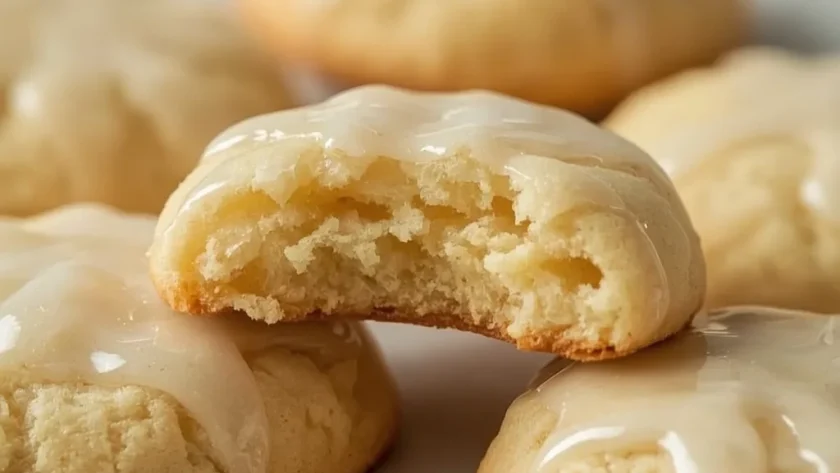
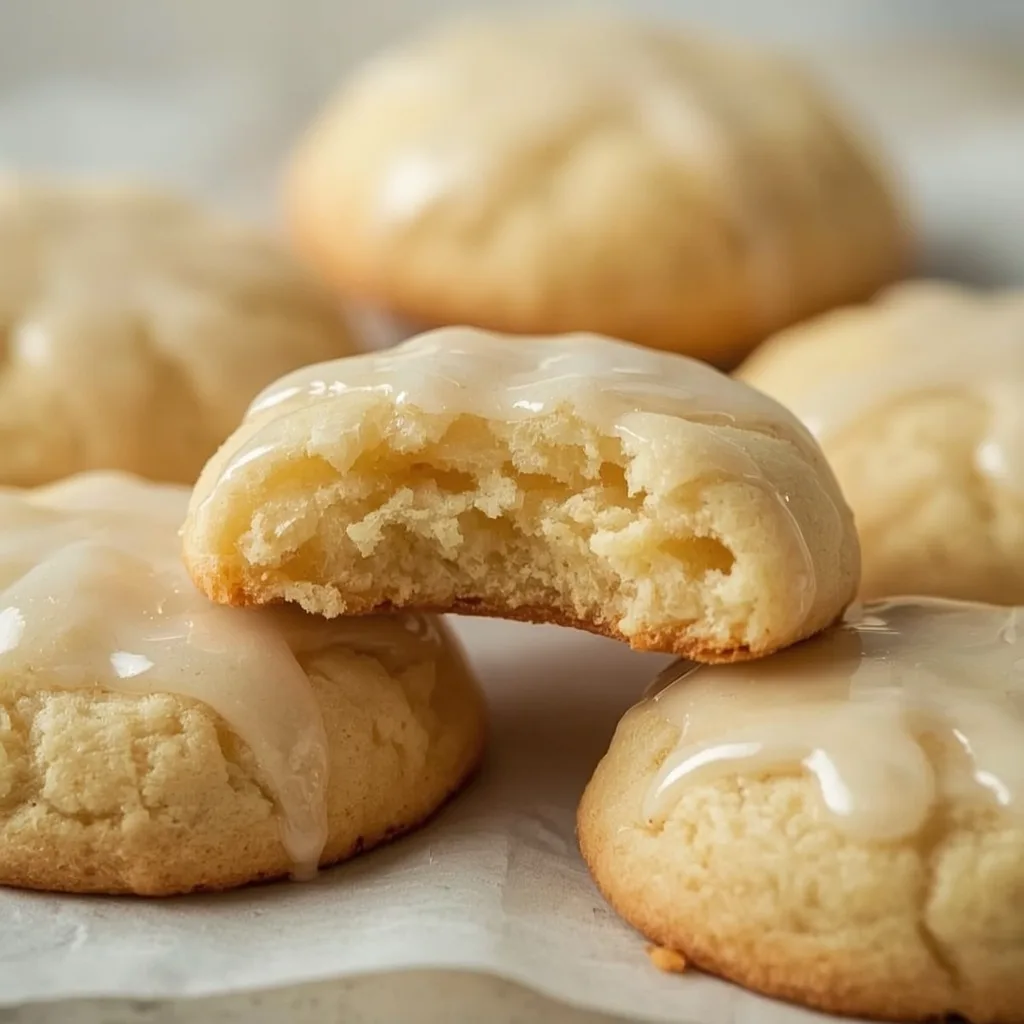
These Pioneer Woman Italian Cookies have a soft, tender crumb with a delicate almond and lemon flavor that hits just right. Each bite is light and slightly cakey, and the glossy glaze adds a gentle sweetness that finishes them beautifully.
I reach for this recipe whenever I need a cookie that feels special enough for a holiday tray but simple enough for an ordinary afternoon. The total time from start to finish is about 27 minutes, and the ingredients are pantry staples. With a little almond extract, fresh lemon zest, and a simple powdered sugar glaze, these cookies bring classic Italian bakery flavor right into your kitchen.
What are Pioneer Woman Italian Cookies?
These are drop cookies made with a butter-based dough that bakes up light and tender. The keys to their texture are room-temperature ingredients, careful mixing, and a modest baking time. Almond extract and lemon zest give them a distinctive aromatic flavor, and the optional food coloring in the glaze lets you dress them up for Christmas, Easter, or any celebration. The finished cookie is soft, not crunchy, with a delicate crumb that melts in your mouth.
Why You’ll Love This Recipe
- Fast prep and bake — Mix the dough in about 15 minutes, then bake for only 10–12 minutes. You can have fresh cookies in under half an hour.
- Simple, everyday ingredients — Butter, sugar, flour, eggs, and flavorings. Nothing fancy, everything you probably already have.
- Soft, cakey texture — These cookies stay tender for days, thanks to the right balance of fat and leavener. No hard edges or dry centers.
- Customizable glaze — Keep it plain white for a classic look, or add a drop of food coloring to match any holiday or party theme.
- Great for make-ahead and freezing — The unbaked dough keeps in the fridge for up to three days, and baked unglazed cookies freeze beautifully for three months.
- Perfect for sharing — This recipe makes about 4 dozen small cookies, ideal for cookie exchanges, gift tins, or just snacking through the week.
Essential Ingredients for Pioneer Woman Italian Cookies
Every ingredient in this list plays a specific role. Getting them right means the difference between a cookie that wows and one that disappoints.
For the Cookies
- 2 cups all-purpose flour — Provides structure without making the cookies tough. Spoon and level for accuracy; don’t scoop directly.
- 1 cup granulated sugar — Sweetens and helps create a tender crumb during creaming. Regular white sugar works best.
- 1/2 cup unsalted butter, softened to room temperature — Adds richness and tenderness. Softened butter creams properly; cold butter won’t trap air.
- 2 large eggs, at room temperature — Bind the dough and add moisture. Cold eggs can seize the butter mixture, so let them sit out for 30 minutes.
- 1 teaspoon almond extract — The signature flavor of these cookies. Use pure extract, not imitation, for the best taste.
- 1 teaspoon vanilla extract — Rounds out the almond flavor and adds warmth. A good vanilla makes everything better.
- Zest of 1 lemon, finely grated — Brightens the cookie and balances the sweetness. Only use the yellow part; the white pith is bitter.
- 1 1/2 teaspoons baking powder — Gives the cookies their light, cakey lift. Make sure it’s fresh for proper rise.
- 1/4 teaspoon kosher salt — Enhances all the other flavors. If using table salt, reduce to 1/8 teaspoon.
For the Glaze
- 1 cup powdered sugar, sifted — Creates a smooth, lump-free glaze. Sifting is key; skip it and you’ll have clumps.
- 2 tablespoons whole milk — Thins the sugar to a dippable consistency. Whole milk gives a richer mouthfeel than skim.
- 1/2 teaspoon almond extract — Reinforces the almond flavor in the cookie. You can swap for vanilla or lemon extract if you prefer.
- 2 to 3 drops food coloring (optional) — For festive colors like red and green at Christmas, or pastel shades for spring. Gel food coloring is best; liquid can thin the glaze.
Equipment You’ll Need
- Electric hand mixer or stand mixer with paddle attachment — Creaming the butter and sugar by hand takes too long and won’t aerate properly. A mixer makes it easy and consistent.
- Two large baking sheets — You need enough space to space the cookies 2 inches apart. Lining with parchment paper prevents sticking and promotes even browning.
- Parchment paper — Non-stick and easy cleanup. Silicone baking mats also work, but parchment gives slightly crisper bottoms.
- Wire cooling rack — Essential for cooling cookies completely before glazing. Warm cookies will melt the glaze into a puddle.
- Tablespoon-sized cookie scoop or two spoons — Ensures uniform cookies that bake evenly. A scoop is faster, but two spoons work fine too.
Instructions to Make Pioneer Woman Italian Cookies
The method is straightforward, but a few details matter. Follow these steps exactly for the best texture.
- Preheat and prepare — Set the oven to 350°F (177°C). Line two baking sheets with parchment paper. Doing this ahead keeps the dough from sitting too long.
- Whisk dry ingredients — In a medium bowl, combine the flour, baking powder, and salt. Whisking aerates the mixture and distributes the leavener evenly, preventing bitter pockets.
- Cream butter and sugar — In a large bowl, beat the softened butter and granulated sugar on medium speed for 2–3 minutes, until light and fluffy. Scrape the bowl once midway. Proper creaming traps air that gives the cookies lift.
- Add eggs and flavorings — Beat in the eggs one at a time, mixing well after each. Then add the almond extract, vanilla extract, and lemon zest. The batter may look slightly curdled — that is normal and will smooth out with the flour.
- Mix in dry ingredients — Reduce the mixer speed to low and slowly add the flour mixture. Mix just until no dry streaks remain. Overmixing develops gluten and makes tough cookies. The dough will be soft and slightly sticky.
- Scoop and space — Drop rounded tablespoons of dough onto the prepared sheets, spacing them about 2 inches apart. Each portion should be about 20g. A cookie scoop keeps sizes consistent.
- Bake one sheet at a time — Place the sheet on the middle rack. Bake for 10–12 minutes, rotating halfway through. The edges should be set and lightly golden, but the centers will still look soft and puffed. Do not overbake — they continue to set as they cool.
- Cool on the sheet — Let the cookies rest on the baking sheet for exactly 3 minutes. This firms them up enough to transfer without breaking. Then move them to a wire rack to cool completely. Do not stack warm cookies or they’ll stick.
- Make the glaze — While the cookies cool, whisk together the sifted powdered sugar, milk, almond extract, and optional food coloring until smooth. The glaze should thickly coat the back of a spoon. If too thick, add milk a few drops at a time; if too thin, add more sugar.
- Glaze the cooled cookies — Once the cookies are completely cool, dip the top of each into the glaze. Let the excess drip off, then place glazed side up on the wire rack. Allow the glaze to set at room temperature for about 30 minutes before serving or storing.
Common Mistakes I Made (And How I Fixed Them)
Even after making these cookies many times, I’ve hit a few snags. Here are the biggest ones and how I solved them.
- Flat, spread-out cookies — I used cold butter straight from the fridge. The dough didn’t cream properly, so the cookies spread into pancakes. Fix: always let the butter soften to room temperature until it gives slightly when pressed.
- Tough, dry cookies — I overmixed the flour into the dough, developing too much gluten. Now I stop mixing as soon as the dry streaks disappear, and the texture stays tender.
- Burned bottoms — I baked without rotating the sheet halfway through. The back of the oven got hotter, and the bottom cookies turned dark. Fix: rotate the sheet at the 5- or 6-minute mark.
- Glaze that ran off completely — I dipped warm cookies into the glaze. The heat melted the glaze into a thin puddle that dripped everywhere. Now I wait until the cookies are fully cool — about 15 minutes on the rack.
- Lumpy glaze — I skipped sifting the powdered sugar. The lumps never smoothed out, and the cookies looked messy. A quick sift takes seconds and makes the glaze silky.
- Cookies stuck to the pan — I used greased baking sheets instead of parchment. The cookies fused to the metal. Parchment paper solves this completely and also helps with even browning.
Best Tips for Pioneer Woman Italian Cookies Success
- Room temperature rules — Butter, eggs, and even milk (if you use it) should be at room temperature. Cold ingredients won’t cream or emulsify properly, leading to dense cookies.
- Scoop with a trigger scoop — A 1-tablespoon cookie scoop gives you uniform portions that bake evenly. Two spoons work too, but the scoop is faster and cleaner.
- Chill the dough if it gets too sticky — If the dough becomes unmanageable while scooping, pop the bowl in the fridge for 10 minutes. Cold dough holds its shape better and spreads less.
- Bake one sheet at a time — Putting two sheets in the oven at once causes uneven heat distribution. The bottom sheet may burn while the top sheet underbakes. Bake individually on the middle rack.
- Use parchment paper every time — Not only does it prevent sticking, but it also insulates the bottom of the cookies slightly, helping them bake evenly. Dark metal sheets without parchment can scorch the bottoms.
- Let the glaze set fully before stacking — Wait at least 30 minutes, ideally a full hour. If you stack glazed cookies too soon, the tops smear and the sticking is permanent.
- Double the recipe for gifting — This recipe makes about 4 dozen small cookies. If you’re making gift tins or cookie boxes, double everything and bake in batches. The dough freezes well, so you can bake fresh whenever you need them.
Best Ingredient Swaps for Pioneer Woman Italian Cookies
- Almond extract swap — If you’re not a fan of almond flavor, replace the almond extract with an equal amount of vanilla extract or lemon extract. The cookies will have a different but still lovely flavor.
- Butter substitution — You can use salted butter, but reduce the added kosher salt to just a pinch. Or try vegan butter sticks (not spread) for a dairy-free version; the texture stays similar.
- Lemon zest swap — Orange or lime zest works beautifully in place of lemon. Use the same amount of finely grated zest. Each gives a different citrus note.
- Glaze milk alternatives — Whole milk gives the richest glaze, but you can use 2%, almond milk, or oat milk. Avoid skim — the glaze may turn out too thin. Adjust with extra powdered sugar if needed.
- Food coloring alternative — Skip it entirely for a classic white glaze, or use natural coloring like beet powder (pink) or matcha (green). Start with a small pinch and adjust.
Delicious Variations to Try
- Chocolate-dipped cookies — Instead of the glaze, melt 1/2 cup dark chocolate chips with 1 teaspoon coconut oil. Dip half of each cookie and let it set on parchment. The almond-lemon flavor pairs beautifully with chocolate.
- Anise-spiced cookies — Add 1/2 teaspoon of anise extract along with the almond and vanilla. This gives them a licorice-like note that’s classic in some Italian cookie traditions.
- Lemon explosion cookies — Double the lemon zest in the dough (use zest of 2 lemons) and replace the almond extract in the glaze with lemon juice plus a pinch of zest. Bright, tangy, and perfect for spring.
- Rainbow cookies — Divide the finished dough into three portions. Tint each one with a different food coloring (red, green, yellow for Italian flag colors). Scoop together for tri-colored cookies. The flavor stays the same; the look is festive.
- Dip in sprinkles — After glazing each cookie, immediately dip the glazed top into your favorite sprinkles before the glaze sets. Nonpareils or jimmies work great. Adds crunch and color.
- Coconut almond cookies — Fold 1/2 cup of finely shredded unsweetened coconut into the dough at the end. Toasted coconut on top of the glaze adds even more texture.
How to Store Leftovers Properly
- Room temperature (glazed cookies) — Place them in a single layer in an airtight container. Layer with parchment if you need to stack, but avoid touching. They keep for up to 5 days. Do not refrigerate — the glaze can become sticky in the fridge.
- Freezing unglazed cookies — Cool the baked cookies completely, then freeze them in a single layer on a baking sheet until firm. Transfer to a zip-top freezer bag or airtight container. They stay fresh for up to 3 months. Thaw at room temperature before glazing.
- Refrigerating the dough — You can store the unbaked dough in an airtight container in the fridge for up to 3 days. Scoop and bake directly from the fridge, adding 1–2 minutes to the bake time. The cookies will be slightly thicker and just as tender.
How to Reheat Pioneer Woman Italian Cookies
These cookies are usually best at room temperature, but if you want a warm treat, here are the best methods.
- Oven (best for texture) — Preheat the oven to 300°F (150°C). Place the cookies on a baking sheet and warm for 2–3 minutes. They will be soft and slightly fragrant. Do not overheat or the glaze will melt.
- Microwave (quick option) — Place a single cookie on a microwave-safe plate and heat on low power for 10–15 seconds. Check after 10 seconds. The cookie will be warm and soft, but the glaze may become sticky if overheated.
- Air fryer (for slightly crisper edges) — Set the air fryer to 300°F (150°C) and warm for 2 minutes. The edges will get a tiny bit of crunch while the center stays soft. Works best for unglazed cookies; the glaze may spot.
- Skip reheating for most occasions — Honestly, these cookies taste perfect at room temperature with the set glaze. Only reheat if you want a warm, gooey experience. For holiday platters, room temp is the way to go.
Nutritional Breakdown (Per Serving)
One serving is about 1/4 of the recipe, which translates to roughly 4–6 cookies depending on size. Here are the values.
- Calories: 786
- Protein: 9.6g
- Fat: 25.5g
- Saturated Fat: around 15g
- Carbohydrates: about 126.8g
- Fiber: 1.6g
- Sugar: 79.9g
- Sodium: roughly 125mg
FAQs
Can I freeze Pioneer Woman Italian Cookies?
Yes, freeze the unglazed cookies for up to 3 months in an airtight container. Thaw at room temperature, then glaze and let set before serving. The glaze itself does not freeze well.
Why are my cookies spreading too much?
Most likely the butter was too soft or the dough wasn’t chilled. Make sure your butter is just softened, not melted. If the dough feels greasy or sticky, refrigerate it for 15 minutes before scooping.
Can I use self-rising flour instead of all-purpose flour?
You can, but omit the baking powder and salt called for in the recipe. Self-rising flour already contains leavening and salt. The texture may be slightly different, but it works in a pinch.
How do I get a smooth, glossy glaze every time?
Sift the powdered sugar first, then whisk with the milk and extract until completely smooth. If it’s too thick, add a few drops of milk. Too thin, add more sifted sugar. A smooth glaze starts with sifting.
What food coloring works best for the glaze?
Gel food coloring is ideal because it doesn’t thin the glaze. Start with just one drop and stir; you can always add more. Liquid coloring works but you may need to compensate with extra powdered sugar.
Can I make these cookies gluten-free?
Yes, substitute a 1-to-1 gluten-free baking flour blend that contains xanthan gum. The texture will be slightly more delicate, so handle the dough gently. Bake for the same time; check for doneness by the set edges.
Try These Recipes
- Pioneer Woman Slow Cooker Pinto Beans
- Pioneer Woman Mexican Wedding Cookies
- Pioneer Woman Sugar Cookie Fudge
- Pioneer Woman Zucchini Cookies
Final Words
These Pioneer Woman Italian Cookies have become my go-to for any occasion that calls for a soft, pretty cookie that tastes like a bakery treat. The almond and lemon combo is simple but special, and the glaze makes them look polished with almost no effort. I hope you give them a try — and don’t be surprised if they disappear fast from the cookie jar.
Pioneer Woman Italian Cookies
Soft, tender Italian-style cookies with a delicate almond and lemon flavor, finished with a sweet glaze. Each bite is light and slightly cakey, with a glossy icing that adds a touch of sweetness. Perfect for holiday cookie trays or an everyday treat.
SAVE THIS RECIPE!
Get this sent to your inbox, plus get new recipes from us every week!
INGREDIENTS
INSTRUCTIONS
-
1
Preheat the oven to 350°F (177°C). Line two large baking sheets with parchment paper; this ensures the cookies release easily without sticking and promotes even browning.nIn a medium bowl, whisk together the flour, baking powder, and salt. Set aside. This aerates the dry ingredients and ensures the leavener is evenly distributed.nIn a large bowl, use an electric hand mixer or stand mixer with the paddle attachment to cream the softened butter and granulated sugar on medium speed for 2 to 3 minutes, until light and fluffy. Scrape down the sides and bottom of the bowl once during mixing.nAdd the eggs one at a time, beating well after each addition until fully incorporated. Mix in the almond extract, vanilla extract, and lemon zest. The batter will look smooth and slightly curdled at this stage — that is normal.nReduce the mixer speed to low and gradually add the flour mixture, mixing just until combined and no dry streaks remain. Do not overmix, or the cookies will become tough. The dough will be soft and slightly sticky.nUsing a tablespoon-sized cookie scoop or two spoons, drop rounded portions of dough onto the prepared baking sheets, spacing them about 2 inches apart. Each portion should be roughly 1 heaping tablespoon (about 20g).nBake one sheet at a time on the middle rack for 10 to 12 minutes, until the edges are set and just lightly golden, but the centers still appear slightly soft and puffed. Rotate the sheet halfway through baking for even color.nLet the cookies cool on the baking sheet for 3 minutes — this allows them to firm up enough to transfer without breaking. Then transfer to a wire rack to cool completely before glazing. Do not stack warm cookies.nWhile the cookies cool, make the glaze: in a small bowl, whisk together the sifted powdered sugar, milk, almond extract, and food coloring if using, until smooth. The glaze should thickly coat the back of a spoon; adjust with more milk (a few drops at a time) if too thick, or more sugar if too thin.nOnce the cookies are completely cool, dip the top of each cookie into the glaze, letting the excess drip off. Place glazed cookies back on the wire rack, glazed side up. Allow the glaze to set at room temperature for about 30 minutes before serving or storing.
NOTES
- Make ahead: unbaked dough can be refrigerated for up to 3 days in an airtight container. Storage: keep glazed cookies in a single layer in an airtight container at room temperature for up to 5 days. For longer storage, freeze unglazed cookies for up to 3 months; thaw and glaze before serving. Reheat: not typically needed, but if desired, warm gently in a 300°F oven for 2-3 minutes.
NUTRITION
Serving: 1 | Calories: 786kcal | Carbohydrates: 126.8g | Protein: 9.6g | Fat: 25.5g | Saturated Fat: 15.7g | Cholesterol: 153mg | Sodium: 125mg | Fiber: 1.6g | Sugar: 79.9g
Nutrition information is automatically calculated, so should only be used as an approximation.