
Pioneer Woman Gingerbread Cookies Recipe

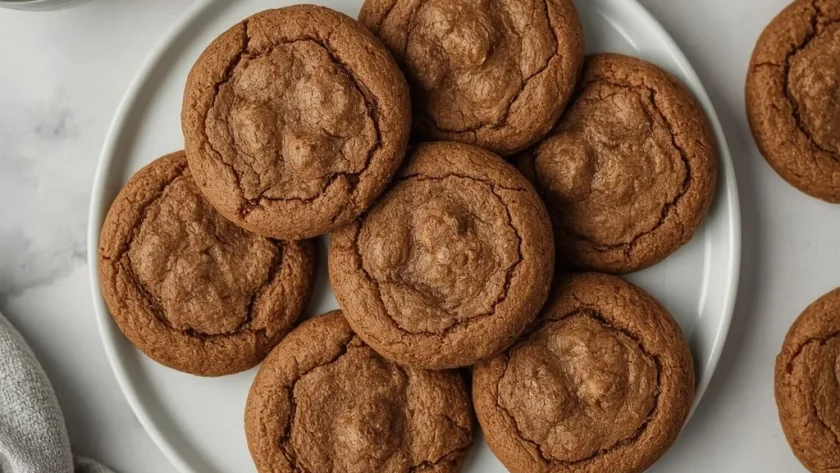
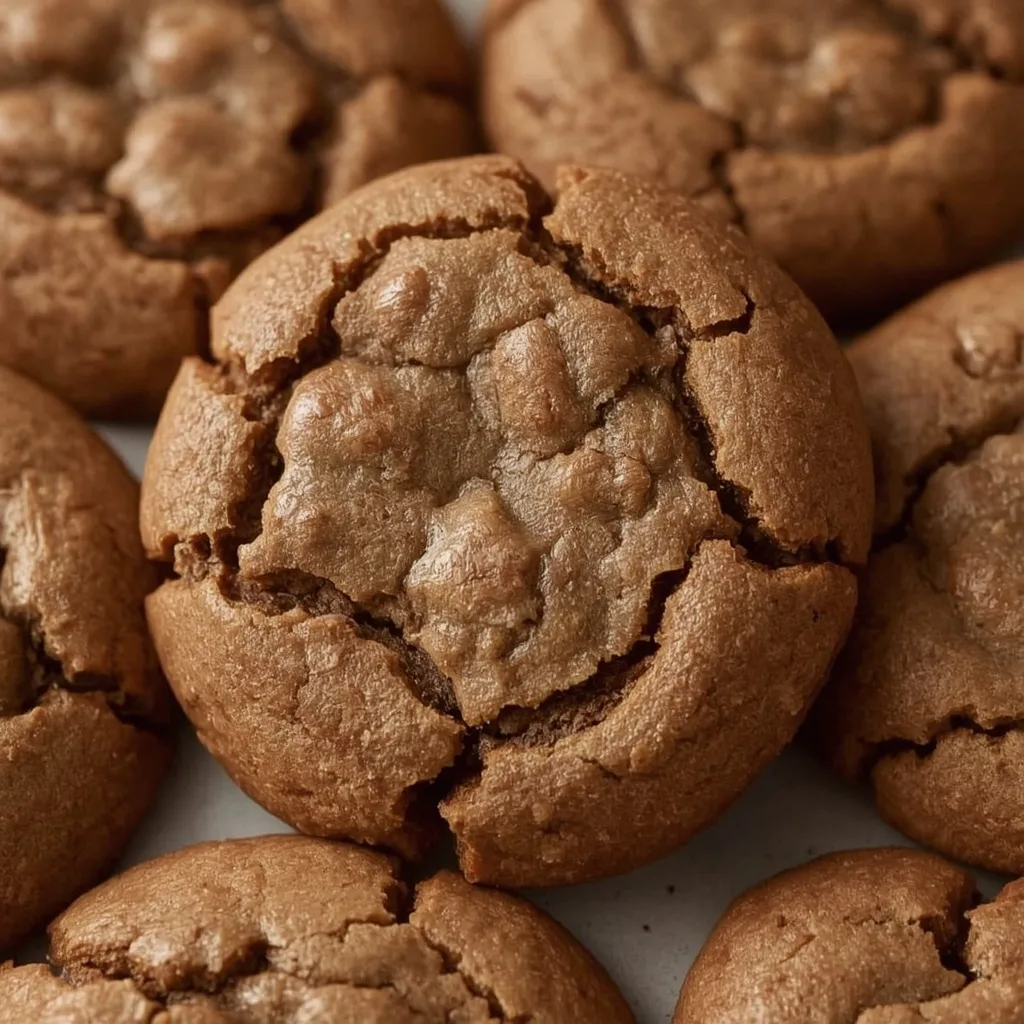
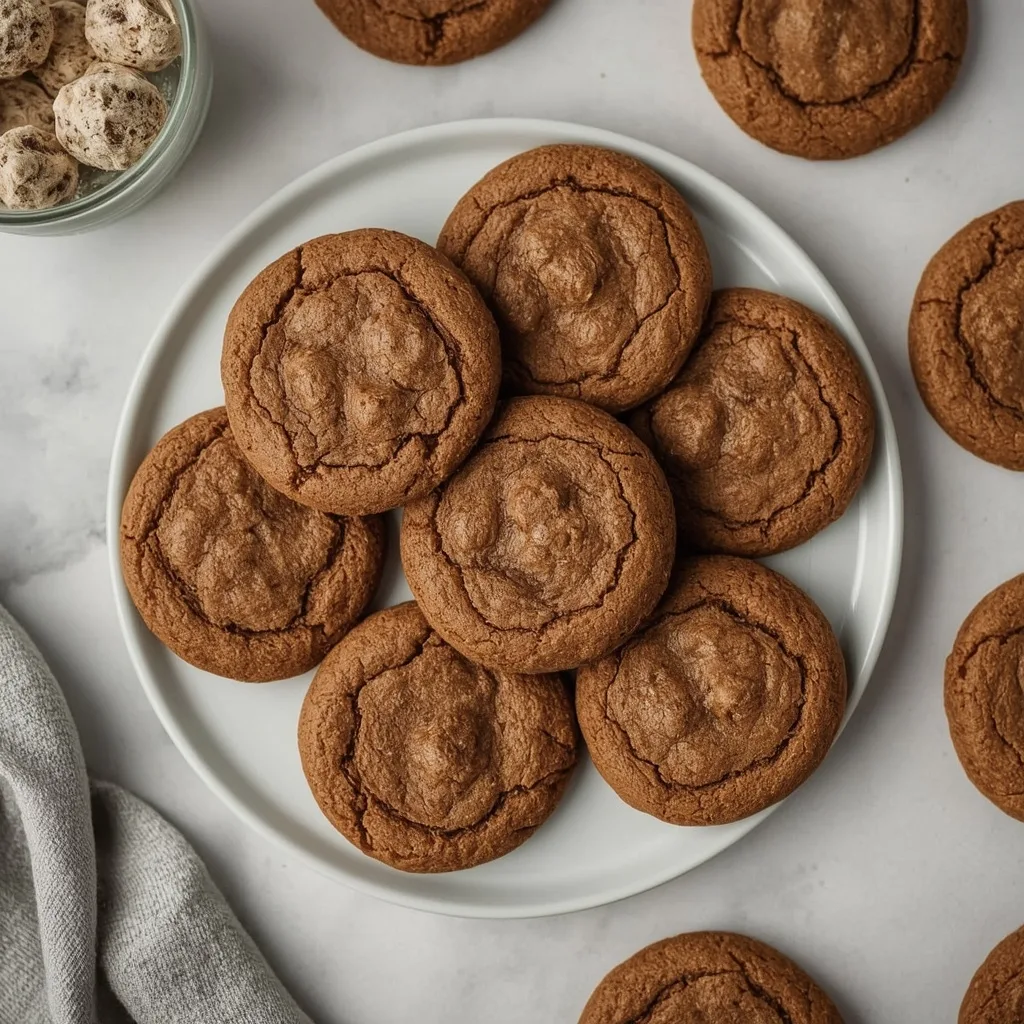
These Pioneer Woman Gingerbread Cookies deliver exactly what a holiday cookie tray needs — deep molasses flavor, warm spices, and that perfect balance between a crisp edge and a soft, chewy center. The dough comes together in about 20 minutes of active work, then a quick chill in the fridge handles the rest.
These cookies suit any winter gathering, from cookie swaps to cozy nights by the fire. The combination of ginger, cinnamon, cloves, and nutmeg fills your kitchen with that unmistakable holiday aroma, and the simple ingredient list keeps things approachable for bakers of any skill level.
What are Pioneer Woman Gingerbread Cookies?
These are classic cut-out gingerbread cookies built around unsulphured molasses and a warm spice blend of ginger, cinnamon, cloves, and nutmeg. The dough chills for at least an hour, which keeps the cookies from spreading too much in the oven and gives them that clean, defined edge. Baked at 350°F for 8–10 minutes, they come out with a firm exterior and a tender interior that stays soft for days.
Why You’ll Love This Recipe
Here is what makes this version stand out from the rest.
- Bold spice depth — Four separate spices create a layered warmth that tastes complex without being overpowering. The ginger leads, the cinnamon softens, and the cloves and nutmeg round everything out.
- Reliable texture every time — The chilled dough rolls cleanly, holds its shape during baking, and delivers that exact crisp-meets-chewy bite the recipe promises.
- Simple equipment needed — A stand mixer or hand mixer, baking sheets, parchment paper, and cookie cutters are all you need. No special gadgets required.
- Make-ahead friendly — The dough keeps in the fridge for up to two days, so you can prep one day and bake the next. Baked cookies also freeze well for up to three months.
- Customizable decorating — Royal icing, a dusting of powdered sugar, or even a simple drizzle of melted white chocolate all work beautifully. The plain cookies are also excellent on their own.
- Consistent results for beginners — The steps are straightforward, the dough is forgiving, and the visual cues (puffed centers, set edges) make it easy to know when they are done.
Essential Ingredients for Pioneer Woman Gingerbread Cookies
Every ingredient here earns its place. Here is what each one does and what to look for at the store.
Wet Ingredients
- Unsalted butter, softened to room temperature — Aerating the butter with the brown sugar creates the tender crumb. Use unsalted so you control the salt level. Let it sit out for 30–45 minutes before starting.
- Packed dark brown sugar — The molasses content in dark brown sugar adds moisture and a deeper caramel note than light brown sugar. Pack it firmly into the measuring cup.
- Unsulphured molasses — Unsulphured molasses has a clean, sweet flavor without the harsh chemical taste of sulphured varieties. It is the backbone of the gingerbread flavor.
- Large egg, at room temperature — A room-temperature egg blends into the creamed butter more smoothly than a cold one, preventing the batter from separating.
Dry Ingredients
- All-purpose flour, plus more for dusting — Standard all-purpose flour gives the cookies structure without making them tough. Use a light hand when dusting the work surface to avoid drying out the dough.
- Baking soda — The single leavener here. It helps the cookies spread just enough and gives them a slight lift in the oven.
- Ground ginger — The star spice. For a deeper flavor, toast it in a dry skillet for 30 seconds before adding it to the flour mixture.
- Ground cinnamon — Adds warmth and sweetness that balances the sharper ginger.
- Ground cloves — A small amount goes a long way. It contributes that pungent, almost peppery warmth typical of holiday baking.
- Ground nutmeg — Provides a subtle nutty sweetness that rounds out the spice blend.
- Kosher salt — Half a teaspoon sharpens all the flavors and prevents the cookies from tasting flat. Use kosher salt, not fine table salt, for the right salinity.
Equipment You’ll Need
- Electric mixer — A stand mixer with the paddle attachment or a hand mixer works. You need medium speed to cream the butter and sugar properly, which takes about 2–3 minutes.
- Baking sheets — Two rimmed baking sheets allow you to bake both trays at once. Position them on the upper and lower thirds of the oven for even heat distribution.
- Parchment paper or silicone baking mats — Either one prevents sticking and makes cleanup easy. Parchment paper also helps the cookies brown evenly on the bottom.
- Rolling pin — A standard rolling pin works fine. If you have guide rings, they help maintain an even 1/4-inch thickness across the entire slab of dough.
- Cookie cutters — Three-inch shapes like stars, gingerbread men, or rounds are ideal. The size keeps baking times consistent. A bench scraper also helps lift and transfer the cut dough.
Instructions to Make Pioneer Woman Gingerbread Cookies
The process moves quickly once the dough is chilled. Follow these steps in order for the best results.
- Cream the butter and sugar — Beat the softened butter and dark brown sugar together on medium speed for 2–3 minutes until light and fluffy. Scrape down the bowl halfway through to make sure everything incorporates evenly.
- Add the wet ingredients — Mix in the molasses and the room-temperature egg on medium speed for about 1 minute. The mixture may look slightly curdled at this point — that is normal and will smooth out once the flour goes in.
- Whisk the dry ingredients — In a separate bowl, whisk together the flour, baking soda, ginger, cinnamon, cloves, nutmeg, and salt. Whisking aerates the flour and distributes the spices and leavener evenly throughout.
- Combine wet and dry — Gradually add the dry mixture to the wet mixture on low speed, mixing just until no streaks of flour remain. Overmixing at this stage develops gluten and makes the cookies tough.
- Chill the dough — Turn the dough onto a lightly floured surface, shape it into a 1-inch-thick disk, wrap it tightly in plastic wrap, and refrigerate for at least 1 hour. Chilling firms the butter, which prevents excessive spreading and makes rolling much easier.
- Preheat and prepare pans — Set the oven to 350°F and line two baking sheets with parchment paper or silicone mats. Position the racks in the upper and lower thirds of the oven.
- Roll and cut — On a lightly floured surface, roll the chilled dough to an even 1/4-inch thickness. Use a bench scraper to loosen the dough from the surface occasionally. Cut with cookie cutters and transfer to the prepared sheets, spacing them about 2 inches apart. Gather the scraps, re-roll once, and cut more cookies. Discard any remaining scraps to avoid tough cookies.
- Bake — Bake for 8–10 minutes, rotating the sheets halfway through. The edges should look set, and the centers should appear slightly puffed and dry to the touch. For softer cookies, bake for 8 minutes. For crunchier cookies, bake for the full 10 minutes or roll the dough to 1/8-inch thickness and add an extra minute.
- Cool completely — Let the cookies rest on the baking sheets for 5 minutes, then transfer them to a wire rack to cool fully before decorating or storing. They continue to firm up as they cool.
Common Mistakes I Made (And How I Fixed Them)
- Skipping the chill time — The first batch I made without chilling spread into flat, shapeless blobs. Chilling for the full hour firms the butter and solidifies the dough so the cookies hold their shape in the oven.
- Overmixing the dough — I kept mixing until the dough was perfectly smooth, and the cookies came out dense and tough. Now I stop as soon as the flour disappears, even if the dough looks a bit rough.
- Rolling too thin — A 1/8-inch thickness sounded good for crispiness, but the cookies baked too fast and burned on the edges. Sticking to 1/4 inch gives the best balance of soft center and crisp edge.
- Skipping the rotation — I baked both sheets without rotating, and the cookies on the bottom rack came out darker. Rotating the sheets halfway through bakes everything evenly.
- Using cold egg and butter — Cold ingredients refused to cream together properly, leaving lumps of butter in the dough. Letting the butter and egg sit at room temperature for 30 minutes before starting fixed the texture completely.
- Re-rolling scraps too many times — I kept re-rolling the scraps until every bit was used, and those last cookies turned out dry and tough. Now I re-roll only once and discard the rest.
Best Tips for Pioneer Woman Gingerbread Cookies Success
- Chill the dough fully — If the dough feels soft or sticky after 1 hour, refrigerate it for another 20 minutes. Cold dough rolls cleanly and cuts sharply without sticking to the cutter.
- Flour your surface lightly — Too much flour dries out the dough and makes the cookies crumbly. Use just enough to prevent sticking, and brush off any excess flour before baking.
- Keep cookies the same thickness — Uneven thickness means some cookies overbake while others underbake. Use guide rings on your rolling pin or check with a ruler for the first few batches.
- Bake on the shorter side for softness — Pull the cookies at 8 minutes if you prefer a chewy, tender center. The cookies continue to set on the hot baking sheet during the 5-minute cooling period.
- Toast the ground ginger for deeper flavor — Heat the ginger in a dry skillet over medium heat for 30 seconds, stirring constantly. This intensifies its warmth without adding any bitterness.
- Space cookies 2 inches apart — The dough spreads slightly during baking. Giving each cookie room prevents them from merging into one another.
- Cool completely before decorating — Warm cookies cause royal icing to run and melt. Let them sit on the wire rack for at least 30 minutes before applying any icing or glaze.
Best Ingredient Swaps for Pioneer Woman Gingerbread Cookies
- Light brown sugar for dark brown sugar — Replace the dark brown sugar with light brown sugar if that is what you have on hand. The cookies will be slightly less molasses-forward and a touch less moist, but the texture stays the same.
- Blackstrap molasses for unsulphured molasses — Blackstrap molasses has a much stronger, slightly bitter flavor. Use only half the amount called for and increase the brown sugar by 2 tablespoons to balance the bitterness.
- All-purpose gluten-free flour blend for all-purpose flour — A 1-to-1 gluten-free baking blend with xanthan gum works as a direct swap. The cookies will be slightly more crumbly but still hold their shape well.
- Ground allspice for ground cloves — Allspice offers a similar warm, peppery note with a hint of cinnamon. Use the same 1/4 teaspoon measurement.
- Maple syrup for molasses — Maple syrup is thinner and less intense. Reduce it to 3 tablespoons and add 1 extra tablespoon of flour to compensate for the extra liquid. The cookies will have a milder, fruitier sweetness.
Delicious Variations to Try
- Chocolate gingerbread — Replace 1/4 cup of the flour with 1/4 cup of unsweetened cocoa powder. Sift the cocoa with the flour to prevent clumps. The chocolate softens the spice heat and makes the cookies taste like a molasses brownie.
- Orange-spice gingerbread — Add 1 tablespoon of finely grated orange zest to the wet ingredients. The citrus cuts through the richness of the molasses and brightens the entire flavor profile.
- Salted caramel drizzle — Skip the royal icing and drizzle each cooled cookie with warm salted caramel sauce. A light sprinkle of flaky sea salt on top finishes the look. These are best eaten within 24 hours.
- Spiced cream cheese frosting — Beat 4 ounces of softened cream cheese with 2 cups of powdered sugar and 1/2 teaspoon of cinnamon. Spread a thin layer on each cookie. Store these in the fridge and bring to room temperature before serving.
- Crystallized ginger addition — Finely chop 1/4 cup of crystallized ginger and knead it into the dough before chilling. The little chewy bits of ginger add bursts of spicy sweetness throughout each bite.
- Coffee-spiked gingerbread — Dissolve 1 teaspoon of instant espresso powder in the molasses before adding it to the butter mixture. The coffee deepens the molasses flavor without tasting like coffee at all.
How to Store Leftovers Properly
- Airtight container at room temperature — Place undecorated cookies in a single layer in an airtight container, separating layers with wax paper. They stay fresh for up to 5 days. Adding a slice of bread to the container helps maintain softness.
- Freezer for baked cookies — Freeze cooled, undecorated cookies in a single layer on a baking sheet for 1 hour, then transfer them to a freezer-safe bag or container. They keep for up to 3 months. Thaw at room temperature for 20 minutes before decorating.
- Freezer for unbaked dough — Wrap the dough disk tightly in plastic wrap, then place it in a freezer bag. Freeze for up to 3 months. Thaw overnight in the refrigerator before rolling and baking. The dough may need an extra 10 minutes of chilling after thawing.
How to Reheat Pioneer Woman Gingerbread Cookies
Reheating brings back that just-baked texture. Here are the best methods depending on how soft or crisp you want them.
- Oven method — Place cookies on a parchment-lined baking sheet and warm them at 300°F for 3–5 minutes. This restores the crisp edge without drying out the center. Watch closely after 3 minutes.
- Microwave method — Place one or two cookies on a microwave-safe plate and heat on low power (30%) for 10–15 seconds. This softens the cookie and makes the center almost doughy. Best for cookies you plan to eat immediately.
- Air fryer method — Set the air fryer to 300°F and warm the cookies for 2–3 minutes. Check at the 2-minute mark. The circulating air firms the edges nicely while keeping the interior tender.
- Stovetop skillet method — Place cookies in a dry non-stick skillet over low heat for 30–45 seconds per side. This method works best for individual servings and gives a slight caramelization on the bottom.
Nutritional Breakdown (Per Serving)
This recipe makes 4 servings. One serving contains the following.
- Calories — 583
- Protein — 8g
- Fat — about 25g
- Carbohydrates — 88g
- Fiber — 1g
- Sugar — around 41g
- Sodium — 336mg
FAQs
Can I freeze Pioneer Woman Gingerbread Cookies?
Yes, both baked cookies and unbaked dough freeze well. Freeze baked, undecorated cookies in a single layer, then transfer to a freezer bag for up to 3 months. Freeze the dough disk wrapped tightly in plastic wrap for the same duration. Thaw the dough overnight in the fridge before rolling.
Why did my gingerbread cookies spread too much?
Spreading usually happens when the dough is not chilled long enough or the butter was too soft when creamed. Make sure the dough chills for at least 1 hour, and if your kitchen is warm, chill it for an extra 20 minutes. The dough should feel firm to the touch before rolling.
Can I make these cookies without molasses?
Molasses is the core flavor in these cookies, but you can substitute it with 3 tablespoons of maple syrup plus 1 extra tablespoon of flour. The cookies will be milder and less rich. For a closer match, use dark corn syrup with a pinch of ground ginger added.
How do I get softer gingerbread cookies?
Bake them at the shorter end of the range — 8 minutes instead of 10. Pull them when the centers still look slightly puffed and pale. The cookies continue to set on the hot baking sheet during the 5-minute cooling period, so underbaking slightly gives a softer result.
What is the best way to decorate Pioneer Woman Gingerbread Cookies?
Royal icing is the most popular option because it dries hard and allows for detailed piping. A simple dusting of powdered sugar works well for a quick finish. For a softer decoration, spread a thin layer of cream cheese frosting and add sprinkles before the frosting sets.
Can I use whole wheat flour instead of all-purpose flour?
Whole wheat flour makes the cookies denser and drier. Replace only half the all-purpose flour with whole wheat flour for a heartier texture without losing softness. Add 1 extra tablespoon of molasses to compensate for the dryness of whole wheat flour.
Final Words
These Pioneer Woman Gingerbread Cookies bring the warm, spiced flavor of the holidays to your kitchen with minimal fuss and reliable results every time. The dough chills and rolls smoothly, the spices smell incredible while baking, and the finished cookies look as good as they taste. Give this recipe a try for your next cookie swap or holiday gathering — I think you will be glad you did.
Pioneer Woman Gingerbread Cookies
These gingerbread cookies are perfectly spiced with ginger, cinnamon, cloves, and nutmeg, offering a crisp edge and a soft, chewy center. The deep molasses flavor pairs beautifully with a simple royal icing or enjoyed plain for a classic holiday treat.
SAVE THIS RECIPE!
Get this sent to your inbox, plus get new recipes from us every week!
INGREDIENTS
INSTRUCTIONS
-
1
In a large bowl, beat the softened butter and brown sugar together with an electric mixer on medium speed until light and fluffy, about 2–3 minutes. Scrape down the sides of the bowl to ensure even mixing; this step aerates the butter for a tender cookie.
-
2
Add the molasses and egg, then beat on medium speed until fully combined, about 1 minute. The mixture may look slightly curdled—that is normal and will smooth out when the dry ingredients are added.
-
3
In a separate medium bowl, whisk together the all-purpose flour, baking soda, ginger, cinnamon, cloves, nutmeg, and salt. Whisking aerates the flour and distributes the leavener and spices evenly.
-
4
Gradually add the dry ingredients to the wet mixture, mixing on low speed just until the dough comes together and no streaks of flour remain. Do not overmix, or the cookies will become tough. The dough will be soft and slightly sticky.
-
5
Turn the dough out onto a lightly floured surface and shape it into a disk about 1 inch thick. Wrap tightly in plastic wrap and refrigerate for at least 1 hour, or up to 2 days. Chilling firms the butter, making the dough easier to roll and preventing excessive spread during baking.
-
6
Preheat the oven to 350°F (177°C) and position racks in the upper and lower thirds. Line two rimmed baking sheets with parchment paper or silicone baking mats.
-
7
On a lightly floured surface, roll the chilled dough to a 1/4-inch thickness. Use a bench scraper or thin spatula to loosen the dough from the surface occasionally to prevent sticking. Add only a light dusting of flour as needed—too much will dry the cookies.
-
8
Cut the dough into desired shapes using cookie cutters (3-inch stars, gingerbread men, or rounds). Transfer cut cookies to the prepared baking sheets, spacing them about 2 inches apart. Gather scraps, re-roll once, and cut more cookies; discard remaining scraps to avoid tough cookies.
-
9
Bake, rotating sheets halfway through, for 8–10 minutes, until the edges are set and the centers look slightly puffed and dry to the touch. The cookies will continue to firm as they cool. For softer cookies, bake on the shorter end; for crunchier, extend by a minute.
-
10
Let the cookies cool on the baking sheets for 5 minutes, then transfer to a wire rack to cool completely before decorating. Royal icing or a simple dusting of powdered sugar works well; store in an airtight container at room temperature for up to 5 days.
NOTES
- Chill dough fully: If the dough is too soft to roll, refrigerate for an additional 20 minutes. For even baking, keep all cookies the same thickness; use guide rings if available. For a deeper spice flavor, toast the ground ginger in a dry skillet for 30 seconds before adding. Avoid overbaking: the cookies should look just set at the edges and pale in the center. For crispier cookies, roll dough to 1/8-inch and bake 1 minute longer.
NUTRITION
Serving: 1 | Calories: 583kcal | Carbohydrates: 88g | Protein: 8g | Fat: 25g | Saturated Fat: 15g | Cholesterol: 47mg | Sodium: 336mg | Fiber: 1g | Sugar: 41g
Nutrition information is automatically calculated, so should only be used as an approximation.