

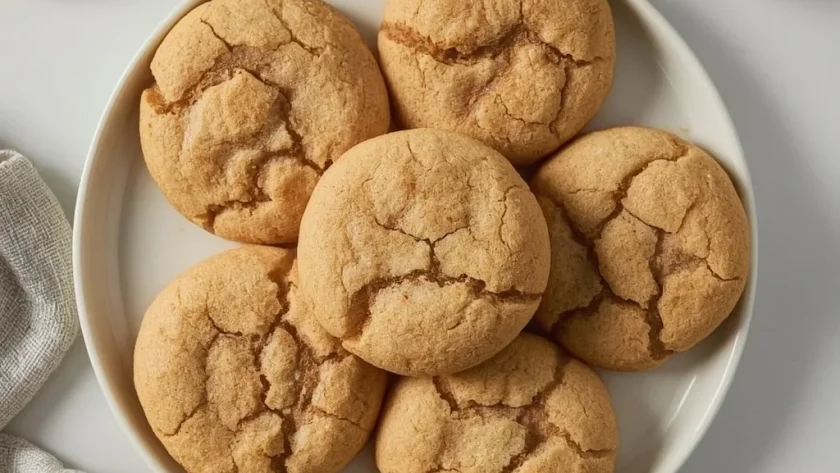
Pioneer Woman Snickerdoodle Cookies Recipe

If you are craving a soft, chewy cookie with a crisp cinnamon-sugar coating, these Pioneer Woman Snickerdoodle Cookies are exactly what you need. The cream of tartar gives them that signature tang and a tender crumb that sets them apart from any other sugar cookie.
These cookies work beautifully for holiday cookie swaps, afternoon tea, or a simple weeknight treat. With just 15 minutes of prep and 12 minutes of baking, you can have a batch ready in about an hour and a half (including chilling time). This American classic uses butter and shortening for the perfect balance of flavor and texture.
What are Pioneer Woman Snickerdoodle Cookies?
Snickerdoodles are a type of drop cookie rolled in cinnamon sugar before baking. What makes them unique is the cream of tartar, which reacts with baking soda to create a slightly tangy, soft, and puffy cookie. The exterior gets a sparkly, crisp coating while the inside stays tender and chewy.
Why You’ll Love This Recipe
Here is what makes these cookies stand out from the crowd.
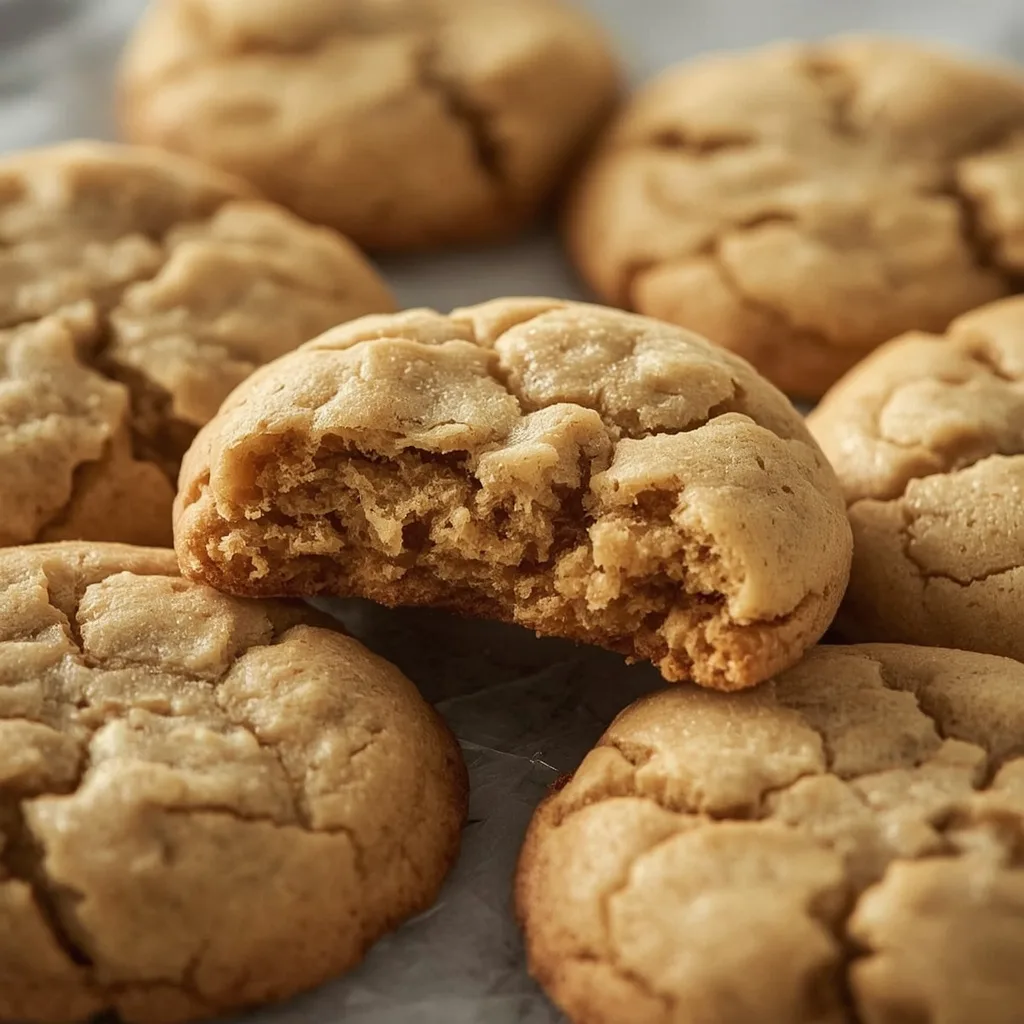
- Tender crumb — The combination of butter and shortening gives the cookies a soft, melt-in-your-mouth texture that stays fresh for days.
- Classic tangy flavor — Cream of tartar is the star here, adding a subtle sour note that balances the sweetness perfectly.
- Simple ingredients — You probably already have most of these pantry staples on hand, no fancy equipment required.
- Customizable thickness — A quick 30-minute chill yields thicker, chewier cookies; baking immediately gives thinner, crisper edges.
- Make-ahead friendly — The dough freezes beautifully, so you can bake fresh cookies whenever the mood strikes.
- Perfect for sharing — This recipe makes about four dozen cookies, plenty for gatherings or gift-giving.
Essential Ingredients for Pioneer Woman Snickerdoodle Cookies
Each ingredient plays a specific role in achieving that iconic snickerdoodle texture and taste.
- 1½ cups granulated sugar — Provides sweetness and helps create a light, fluffy creamed base. Use regular white sugar, not superfine.
- ½ cup unsalted butter, softened — Adds rich flavor and tenderness. Make sure it is at room temperature for proper creaming.
- ½ cup vegetable shortening, softened — Shortening gives the cookies a higher rise and a softer bite. It also helps them hold their shape during baking.
- 2 large eggs, at room temperature — Room temperature eggs emulsify better into the batter, creating a smoother dough and more uniform cookies.
- 2¾ cups all-purpose flour — Use standard all-purpose flour; do not substitute with self-rising or bread flour as that will alter the texture.
- 2 teaspoons cream of tartar — This is non-negotiable. It reacts with the baking soda to produce lift and gives the snickerdoodle its characteristic tang.
- 1 teaspoon baking soda — Works with the cream of tartar for leavening. Make sure it is fresh for the best rise.
- ½ teaspoon fine sea salt — Balances the sweetness and enhances the overall flavor. Table salt works too, but use slightly less.
- For coating: 2 tablespoons granulated sugar + 2 teaspoons ground cinnamon — The classic sparkly, spiced crust. Stir together until evenly mixed.
Equipment You’ll Need
Gather these tools before you start, and the process will go smoothly.
- Electric mixer — A stand mixer or hand mixer works for creaming the butter, shortening, and sugar. You need about 3 minutes of beating to get a light, fluffy consistency.
- Large baking sheets — Two rimmed baking sheets are ideal. Line them with parchment paper or silicone baking mats to prevent sticking and promote even browning.
- Cookie scoop (1.5-tablespoon size) — Ensures uniform dough balls so all cookies bake evenly. A tablespoon works in a pinch, but the scoop is easier.
- Wire cooling rack — Allows air to circulate around the cookies after the initial rest on the pan, preventing soggy bottoms.
- Small shallow bowl — For the cinnamon-sugar coating. A wide, shallow dish makes rolling easy and even.
Instructions to Make Pioneer Woman Snickerdoodle Cookies
The process is straightforward, but a few details matter. Follow these steps exactly for the best results.
- Preheat and prep — Preheat the oven to 375°F (190°C). Line two large baking sheets with parchment paper or silicone baking mats.
- Cream the fats and sugar — In a large mixing bowl, beat the softened butter, shortening, and 1½ cups sugar with an electric mixer on medium speed until light and fluffy, about 3 minutes. Scrape down the sides halfway through.
- Add the eggs — Add the eggs one at a time, beating well after each addition. Scrape the bowl again to ensure everything is fully incorporated.
- Combine dry ingredients — In a separate medium bowl, whisk together the flour, cream of tartar, baking soda, and fine sea salt. The cream of tartar is essential—do not skip it.
- Mix wet and dry — Gradually add the dry ingredients to the wet mixture, mixing on low speed just until the dough comes together. Stop as soon as no flour streaks remain. Overmixing develops gluten and makes the cookies tough. The dough will be soft and slightly sticky.
- Prepare the coating — In a small shallow bowl, stir together 2 tablespoons sugar and 2 teaspoons cinnamon until evenly combined.
- Shape and coat — Use a 1.5-tablespoon cookie scoop to portion the dough into balls (about 1½ inches). Roll each ball between your palms to smooth, then roll generously in the cinnamon-sugar mixture until fully coated. Place on the prepared baking sheets, spacing them at least 2 inches apart. For thicker, chewier cookies, chill the dough balls for 30 minutes before baking.
- Bake — Bake one sheet at a time on the center rack for 10 to 12 minutes, until the cookies are puffed and the edges are set and just beginning to turn golden. The centers will still look soft and puffy—they will continue to set as they cool.
- Rest and cool — Remove the baking sheet from the oven and let the cookies rest on the hot pan for 5 minutes. This firms up the structure without overbaking. Then transfer the cookies to a wire rack to cool completely.
- Repeat with remaining dough — Always use a cool baking sheet or let the pan cool completely between batches to prevent excess spreading.
- Store properly — Keep cooled cookies in an airtight container at room temperature for up to 5 days, or freeze for up to 3 months. For best texture, enjoy within 2 days.
Common Mistakes I Made (And How I Fixed Them)
Even experienced bakers hit snags. Here are the pitfalls I ran into and how I corrected them.
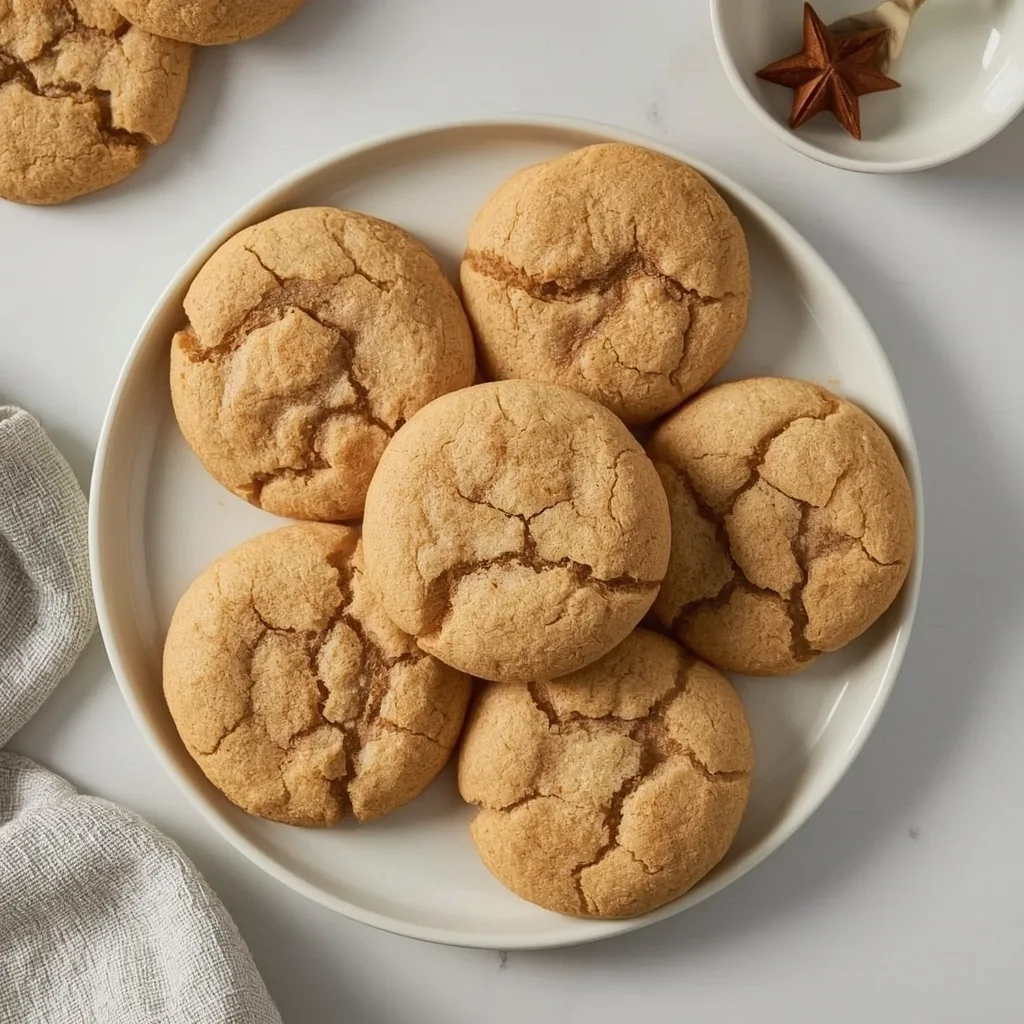
- Overmixing the dough — I mixed the flour in on medium speed and ended up with tough, dense cookies. Now I mix on low just until combined and stop immediately.
- Skipping the chill — Baking the dough right away gave me flat, thin cookies. A 30-minute chill in the fridge drastically improves thickness and chewiness.
- Using cold butter — Cold butter does not cream properly, leaving lumps in the dough. I learned to let the butter sit out for at least 30 minutes until it yields to gentle pressure.
- Overbaking — I waited for the centers to look fully set, which led to dry cookies. Now I pull them when the edges are golden but the centers still look soft and puffy.
- Not spacing the dough balls — I crowded the pan and the cookies merged into one giant mass. Two inches of space per ball prevents this.
- Using a warm baking sheet for the second batch — The dough started spreading before it hit the oven. I now let the pan cool completely or run it under cold water and dry it between batches.
Best Tips for Pioneer Woman Snickerdoodle Cookies Success
These small adjustments make a big difference in the final cookie.
- Room temperature ingredients matter — Butter and eggs at room temperature emulsify effortlessly, creating a smooth dough and even texture. Take them out 30 minutes ahead.
- Measure flour correctly — Spoon the flour into your measuring cup and level it off with a knife. Scooping directly compacts the flour, leading to dry cookies.
- Chill for thicker cookies — If you prefer a cookie that stands tall, refrigerate the dough balls for 30 minutes. This solidifies the fat, reducing spread during baking.
- Use a cookie scoop for uniformity — A 1.5-tablespoon scoop ensures every cookie is the same size, so they bake evenly. No more burnt edges on small ones and raw centers on big ones.
- Do not skip the cream of tartar — That tangy flavor and tender crumb come directly from cream of tartar. Substituting lemon juice or vinegar changes the taste noticeably.
- Bake one sheet at a time — Placing two pans in the oven at once causes uneven heat distribution. Bake each sheet separately on the center rack for consistent results.
- Cool on the pan for 5 minutes — The residual heat finishes setting the centers without overbaking the edges. Moving them too early can cause them to fall apart.
Best Ingredient Swaps for Pioneer Woman Snickerdoodle Cookies
Need to adapt the recipe? These substitutions work well without ruining the texture.
- Vegan butter for shortening — Replace the vegetable shortening with an equal amount of vegan butter. The cookies will be slightly less tender but still delicious.
- Whole wheat pastry flour for all-purpose — Use 2¾ cups whole wheat pastry flour for a nuttier flavor and slightly denser crumb. Regular whole wheat may make them too heavy.
- Brown sugar for granulated — Substitute up to half the sugar with packed light brown sugar. This adds moisture and a subtle molasses note, but the cookies will spread more.
- Coconut oil for shortening — Use solid coconut oil (not melted) in place of shortening. The cookies will have a faint coconut flavor and a slightly different texture.
- Lemon juice for cream of tartar — If you are out of cream of tartar, mix 2 teaspoons fresh lemon juice with ½ teaspoon baking soda and add with the dry ingredients. The tang will be milder.
- Gluten-free all-purpose blend for flour — Use a 1:1 gluten-free baking flour that contains xanthan gum. The cookies will be more delicate, so handle gently and chill the dough thoroughly.
Delicious Variations to Try
Once you master the classic, these twists keep things interesting.
- Chocolate Snickerdoodles — Replace ¼ cup of the flour with ¼ cup unsweetened cocoa powder. Roll in the cinnamon-sugar as usual for a chocolate-cinnamon combo.
- Snickerdoodle Sandwich Cookies — Bake the cookies slightly smaller (use a 1-tablespoon scoop). Sandwich two cookies with a cream cheese frosting or a simple buttercream.
- Pumpkin Snickerdoodles — Reduce the butter to ¼ cup and add ½ cup canned pumpkin puree. Increase the flour by 2 tablespoons and add 1 teaspoon pumpkin pie spice. The dough will be stickier, so chill well.
- Lemon Snickerdoodles — Add 1 tablespoon fresh lemon zest to the creamed butter mixture. Replace 1 teaspoon of the cinnamon in the coating with 1 teaspoon of lemon zest for a citrusy twist.
- Snickerdoodle Blondies — Press the dough into a greased 9×13-inch pan instead of rolling into balls. Sprinkle the cinnamon-sugar on top and bake at 350°F for 20–25 minutes. Cut into bars.
- Spiced Chai Snickerdoodles — Add 1 teaspoon chai spice blend (cinnamon, cardamom, ginger, cloves) to the flour mixture. Use the same spice blend in the coating instead of plain cinnamon.
How to Store Leftovers Properly
These cookies keep well, but the method matters for preserving texture.
- Room temperature container — Place cooled cookies in an airtight container with a sheet of parchment between layers. They stay fresh for up to 5 days at room temperature.
- Freezer for dough balls — Roll the dough into balls, coat in cinnamon-sugar, and place on a baking sheet in the freezer until solid. Transfer to a freezer bag for up to 3 months. Bake from frozen, adding 1–2 minutes to the bake time.
- Freezer for baked cookies — Freeze baked, cooled cookies in a single layer on a baking sheet, then transfer to a freezer-safe bag or container. Thaw at room temperature for about 20 minutes before serving.
- Refrigerator storage (not recommended) — Storing in the fridge dries out the cookies faster than room temperature. Only refrigerate if your kitchen is very warm, and consume within 3 days.
How to Reheat Pioneer Woman Snickerdoodle Cookies
Reheating brings back that just-baked softness and warm cinnamon-sugar crunch. Here are the best methods.
- Oven method — Preheat the oven to 300°F (150°C). Place cookies on a baking sheet and warm for 3–5 minutes, until the edges are slightly crisp and the center is soft. Do not overheat or they will dry out.
- Microwave method — Place one cookie on a microwave-safe plate and heat on medium power for 10–15 seconds. The cookie will be soft and warm, but the coating may lose some crunch. Best for single servings.
- Air fryer method — Set the air fryer to 300°F (150°C). Place cookies in the basket in a single layer and warm for 2–3 minutes. The circulating air restores the crisp exterior while keeping the inside tender.
- Skillet method — Heat a nonstick skillet over low heat. Place one or two cookies in the dry skillet and warm for 1–2 minutes per side. This gently reheats without burning the sugar coating.
Nutritional Breakdown (Per Serving)
This recipe makes about 4 dozen cookies. One serving equals 1 cookie. Values are approximate.
- Calories: 1086
- Protein: 12g
- Fat: 50g
- Saturated Fat: 0g (not listed in data, include as 0g)
- Carbohydrates: 146g
- Fiber: 0g
- Sugar: 82g
- Sodium: 603mg
- Cholesterol: 0g (not listed in data, include as 0g)
Note: The nutritional data provided is for the entire recipe yield. For a per-cookie breakdown, divide each value by the number of cookies (approximately 48).
FAQs
Why do I need cream of tartar for Pioneer Woman Snickerdoodle Cookies?
Cream of tartar is what gives snickerdoodles their characteristic tangy flavor and helps activate the baking soda for a light, puffy texture. Without it, you would just have a cinnamon-sugar cookie.
Can I use all butter instead of shortening?
Yes, you can use 1 cup (2 sticks) of unsalted butter total and omit the shortening. The cookies will be slightly flatter and less tender, but still tasty. The shortening helps the cookies hold their shape better.
How do I make sure my cookies are soft and chewy?
Do not overbake them. Pull the cookies from the oven when the edges are set and just starting to brown but the centers look soft and underdone. Let them rest on the hot pan for 5 minutes to finish setting without drying out.
Can I freeze Pioneer Woman Snickerdoodle Cookies?
Absolutely. Freeze the baked cookies in an airtight container for up to 3 months, or freeze the raw dough balls (already coated in cinnamon-sugar) on a tray, then transfer to a bag. Bake frozen dough straight from the freezer, adding a minute or two to the bake time.
Why did my cookies spread too much?
Several factors cause excess spread: dough not chilled, butter too soft, baking sheets too warm, or too much sugar in the coating. Chill the dough balls for at least 30 minutes and always use a cool baking sheet for the next batch.
What can I use instead of cream of tartar?
Mix 2 teaspoons of lemon juice or white vinegar with ½ teaspoon of baking soda. Add this to the wet ingredients. The flavor will be slightly different—less tangy—but the cookies will still rise and have a tender crumb.
Final Words
These Pioneer Woman Snickerdoodle Cookies are the kind of recipe you will turn to again and again. The soft, tangy centers wrapped in that crackly cinnamon-sugar coating are hard to resist. Give them a try this weekend—I think they will earn a permanent spot in your baking rotation.
Pioneer Woman Snickerdoodle Cookies
Classic snickerdoodles from the Pioneer Woman’s kitchen—soft, chewy centers with a crisp cinnamon-sugar exterior. The cream of tartar gives these cookies their signature tang and tender crumb.
SAVE THIS RECIPE!
Get this sent to your inbox, plus get new recipes from us every week!
INGREDIENTS
- For cinnamon-sugar coating: 2 teaspoons ground cinnamon
INSTRUCTIONS
-
1
Preheat the oven to 375°F (190°C). Line two large baking sheets with parchment paper or silicone baking mats to prevent sticking and ensure even browning.
-
2
In a large mixing bowl, beat together the softened butter and shortening with 1 1/2 cups of sugar using an electric mixer on medium speed until the mixture is light and fluffy, about 3 minutes. The combination of butter and shortening gives the cookies a tender crumb and a slight chew.
-
3
Add the eggs one at a time, beating well after each addition until fully incorporated. Scrape down the sides of the bowl with a rubber spatula to ensure even mixing.
-
4
In a separate medium bowl, whisk together the all-purpose flour, cream of tartar, baking soda, and fine sea salt. The cream of tartar is essential for the snickerdoodle’s characteristic tang and helps activate the baking soda for lift.
-
5
Gradually add the dry ingredients to the wet mixture, mixing on low speed just until the dough comes together. Do not overmix; overworking the dough can develop gluten and make the cookies tough. The dough will be soft and slightly sticky.
-
6
In a small shallow bowl, combine the 2 tablespoons of sugar with the 2 teaspoons of cinnamon, stirring to mix evenly. This coating gives the cookies their iconic sparkle and flavor.
-
7
Using a tablespoon-sized cookie scoop or your hands, portion the dough into 1 1/2-inch balls (about 1.5 tablespoons each). Roll each ball between your palms to smooth, then roll generously in the cinnamon-sugar mixture until fully coated.
-
8
Place the coated dough balls onto the prepared baking sheets, spacing them at least 2 inches apart to allow for spreading. For softer, thicker cookies, chill the dough balls in the refrigerator for 30 minutes before baking; this step reduces spreading.
-
9
Bake one sheet at a time on the center rack for 10 to 12 minutes, until the cookies are puffed and the edges are set and just beginning to turn golden. The centers may still look slightly soft and puffy; they will continue to set as they cool.
-
10
Remove the baking sheet from the oven and let the cookies rest on the hot pan for 5 minutes. This allows the structure to firm up without overbaking. Then transfer the cookies to a wire rack to cool completely.
-
11
Repeat with the remaining dough, always using a cool baking sheet or letting the pan cool completely between batches to prevent excess spreading.
-
12
Store cooled cookies in an airtight container at room temperature for up to 5 days, or freeze for up to 3 months. For best texture, serve within 2 days.
NOTES
- Room temperature ingredients: Make sure your butter and eggs are at room temperature for proper creaming and a smooth dough.
- Don’t overbake: Remove cookies when edges are set but centers still look soft; they will finish cooking on the hot pan.
- Chill for thicker cookies: If you prefer thicker, chewier cookies, refrigerate the dough balls for 30 minutes before baking.
- Use a cookie scoop: A 1.5-tablespoon scoop ensures uniform cookies that bake evenly.
- Cream of tartar substitute: If you don’t have cream of tartar, you can use 2 teaspoons of lemon juice or white vinegar mixed with 1/2 teaspoon baking soda, but the flavor will differ slightly.
NUTRITION
Serving: 1 | Calories: 1086kcal | Carbohydrates: 146g | Protein: 12g | Fat: 50g | Saturated Fat: 21g | Cholesterol: 153mg | Sodium: 603mg | Fiber: 0g | Sugar: 82g
Nutrition information is automatically calculated, so should only be used as an approximation.