
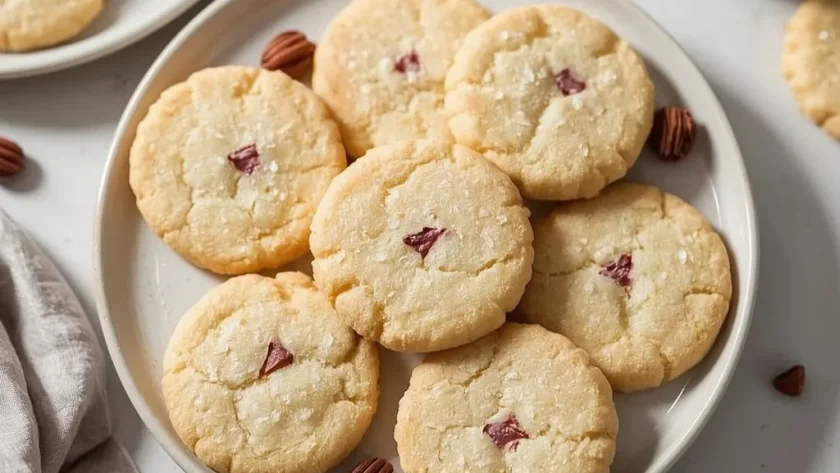
Pioneer Woman Shortbread Cookies Recipe

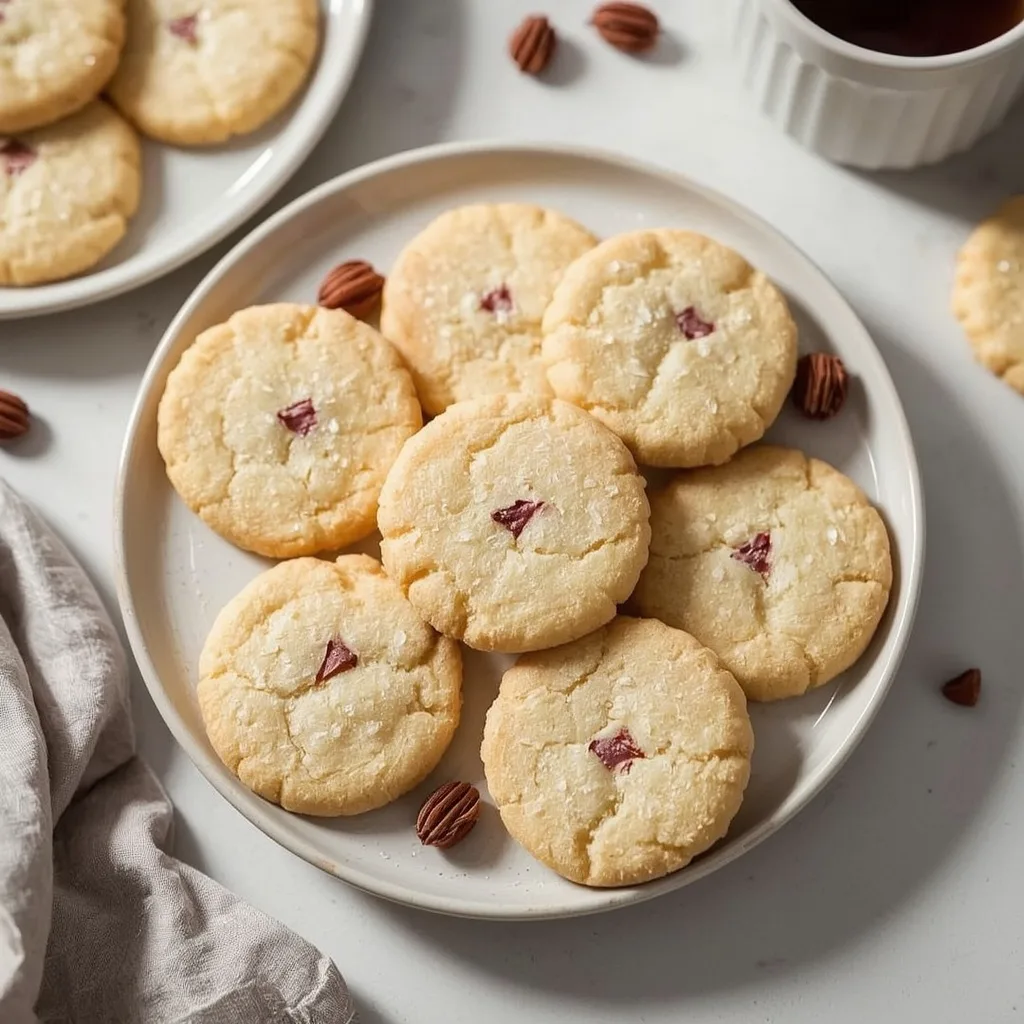
Pioneer Woman Shortbread Cookies deliver that ideal balance of rich butter and delicate crunch I crave in a simple cookie. Made with just five pantry staples, this recipe proves you do not need fancy ingredients to create something special.
These cookies work beautifully for holiday cookie swaps, afternoon tea, or a quiet evening treat. From start to finish, you will need about 70 minutes including chill time, most of which is hands-off. The American baking method here keeps things straightforward — no stand mixer required, no complicated techniques.
What are Pioneer Woman Shortbread Cookies?
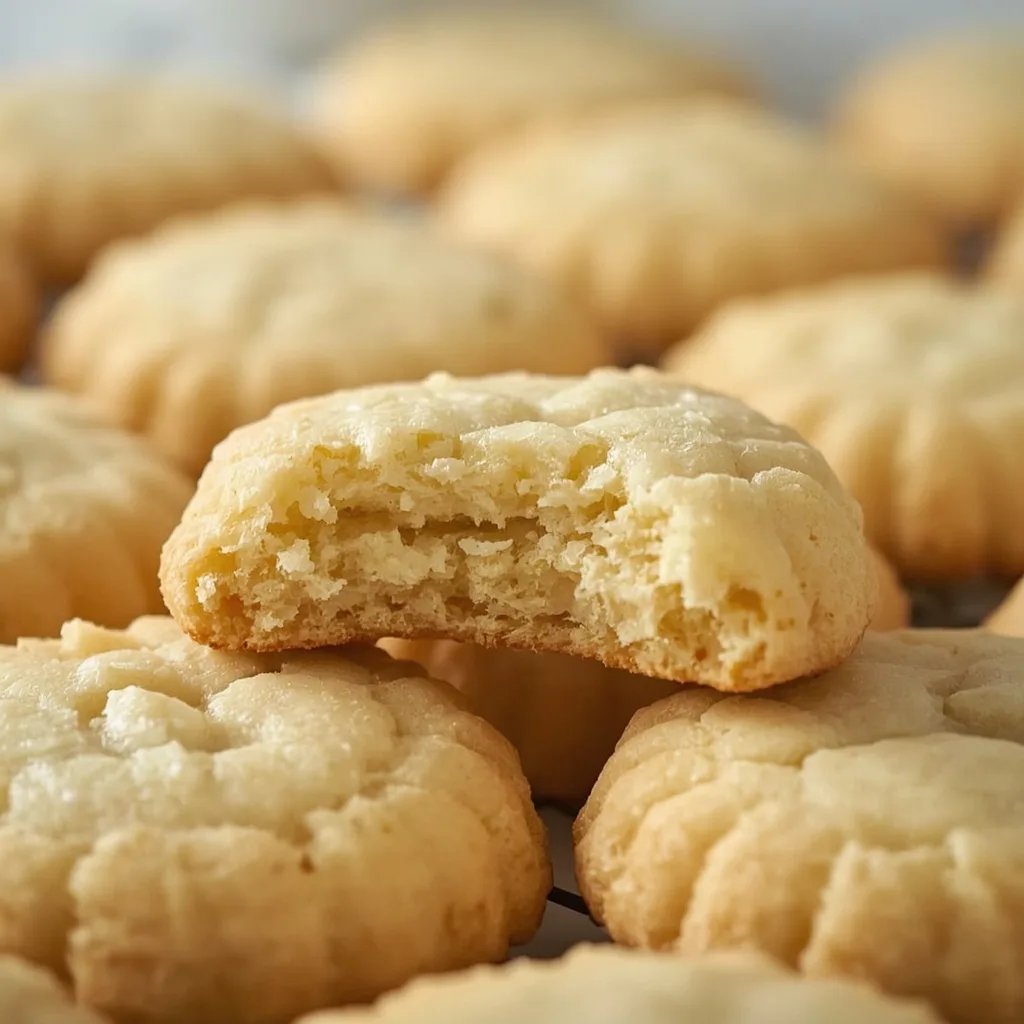
This is a classic Scottish-style shortbread adapted for American kitchens. The dough relies on a high ratio of butter to flour, which gives it that signature sandy, tender crumb that melts on your tongue. A light touch with mixing and a brief chill in the fridge keep the edges sharp and the texture crisp rather than cakey. The result is a cookie that tastes pure and uncluttered — just butter, sugar, vanilla, and a whisper of salt.
Why You’ll Love This Recipe
- Only five ingredients — You probably have everything in your kitchen right now. No hunting down obscure items.
- No fancy equipment required — A bowl, a wooden spoon or hand mixer, and an 8-inch square pan are all you need.
- Foolproof method — The chilling step and docking technique prevent puffing and spreading, so you get clean, even cookies every time.
- Make-ahead friendly — The dough can be pressed into the pan and refrigerated up to two days before baking. Perfect for busy weeks.
- Easily customizable — A few simple swaps or add-ins let you create endless variations without changing the base formula.
Essential Ingredients for Pioneer Woman Shortbread Cookies
Every ingredient here plays a specific role. Skipping or substituting without understanding the effect will change the final texture.
Core Ingredients
- Unsalted butter (1/2 cup, softened) — Butter is the backbone of this cookie. Using unsalted lets you control the salt level. For the richest flavor, choose European-style butter with at least 82% butterfat.
- Granulated sugar (1/4 cup) — Just enough sweetness to balance the butter. Do not swap for brown sugar — it adds moisture and changes the crisp texture.
- Pure vanilla extract (1/2 teaspoon) — A small amount that brightens the buttery flavor. Imitation vanilla works in a pinch but the flavor will be less nuanced.
- All-purpose flour (1 cup, spooned and leveled) — Spooning and leveling prevents packing, which would make the dough dry and the cookies tough. Too much flour is the most common mistake here.
- Kosher salt (1/4 teaspoon) — Salt enhances the butter and balances sweetness. If you use fine table salt, reduce to 1/8 teaspoon.
Equipment You’ll Need
- 8-inch square baking pan — This specific size matters for achieving the correct thickness. A 9-inch pan will yield thinner, more brittle cookies.
- Parchment paper — Cut a sheet with overhang on two sides for easy lifting. Without it, removing the shortbread block intact is difficult.
- Electric mixer (hand or stand) — You can cream the butter and sugar by hand with a wooden spoon, but a mixer makes it faster and ensures a light, fluffy base.
- Sharp knife or bench scraper — Scoring the hot shortbread requires a clean, decisive cut. A dull blade will drag and ruin the surface.
Instructions to Make Pioneer Woman Shortbread Cookies
Each step here builds on the previous one. Rushing or skipping will affect the final texture.
- Preheat and prepare pan — Preheat oven to 325°F / 163°C. Line an 8-inch square baking pan with parchment paper, leaving overhang on two sides for easy removal. This ensures the shortbread lifts out cleanly.
- Cream butter and sugar — In a large bowl, beat 1/2 cup unsalted butter and 1/4 cup granulated sugar with an electric mixer on medium speed until light and fluffy, about 2 minutes. Scrape down the sides of the bowl to incorporate evenly.
- Add vanilla — Add 1/2 teaspoon pure vanilla extract and beat on low until just combined. Do not overmix; the vanilla should be evenly distributed.
- Combine dry ingredients — In a separate bowl, whisk together 1 cup all-purpose flour and 1/4 teaspoon kosher salt. Gradually add the flour mixture to the butter mixture, mixing on low until a soft dough forms and no dry streaks remain. Overworking the dough will develop gluten and make the shortbread tough.
- Press into pan — Transfer the dough to the prepared pan and press evenly into the bottom using floured fingertips or the bottom of a glass. Aim for a uniform thickness of about 1/4 inch for even baking.
- Dock and chill — Using a fork, prick the dough all over (dock) to allow steam to escape and prevent puffing. Refrigerate the pan for 30 minutes to firm up the dough; this helps the shortbread hold its shape and produces cleaner edges.
- Bake — Bake for 20 to 25 minutes, until the edges are just beginning to turn a light golden brown. The center should remain pale; avoid overbaking to preserve the tender texture.
- Score while hot — Remove the pan from the oven and immediately score the hot shortbread into 12 equal rectangles (4 rows by 3 rows) using a sharp knife. Cut gently but decisively — only through the top surface; the shortbread will separate cleanly once cool.
- Cool completely — Let the shortbread cool completely in the pan on a wire rack, about 30 minutes. This step is essential for clean cuts and a crisp final texture.
- Lift and serve — Using the parchment overhang, lift the cooled shortbread block from the pan. Break or cut along the scored lines into individual cookies. Serve at room temperature.
Common Mistakes I Made (And How I Fixed Them)
- Overmixing the dough — I used to keep mixing until the dough was completely smooth. That developed too much gluten and made the cookies tough. Now I stop as soon as no dry flour remains.
- Skipping the chill — The first time I baked these, I put the pan straight into the oven. The shortbread spread and lost its clean edges. The full 30-minute chill is non-negotiable.
- Using a dull knife to score — A dull blade dragged across the hot shortbread and pulled up crumbs. A sharp chef’s knife gives clean lines that actually separate later.
- Baking until the center browned — I waited for the whole cookie to turn golden. By then the edges were overdone and the texture was hard. The center should stay pale.
- Pressing the dough too thin — I aimed for a thin layer thinking it would bake faster. The cookies ended up brittle and broke easily. A uniform 1/4-inch thickness is perfect.
Best Tips for Pioneer Woman Shortbread Cookies Success
- Use European-style butter — Higher butterfat (82% or more) means less water in the dough. This creates a richer flavor and a more tender crumb.
- Flour your fingertips — The dough can be slightly sticky when pressing into the pan. A light dusting of flour on your fingers prevents sticking without adding excess flour to the dough.
- Chill the pan on a flat surface — If your fridge shelf is uneven, the dough will set at an angle, leading to uneven thickness. Place the pan on a small baking sheet before chilling.
- Score decisively — Hesitant scoring creates jagged edges. Use one firm, fluid motion with a sharp knife. You only need to cut through the top surface, not all the way through.
- Cool completely before cutting — I know it is tempting to cut while warm, but the shortbread will crumble. The full 30-minute cool allows the structure to set.
- Store in a single layer — Stacking shortbread cookies can cause them to break. Store them in a single layer between sheets of parchment paper.
Best Ingredient Swaps for Pioneer Woman Shortbread Cookies
- Swap salted butter for unsalted — If you only have salted butter, omit the added kosher salt entirely. The cookies will still be balanced.
- Swap vanilla for almond extract — Use 1/2 teaspoon almond extract instead of vanilla for a nutty, slightly floral flavor that pairs well with chocolate or fruit.
- Swap granulated sugar for powdered sugar — Replacing half the granulated sugar with powdered sugar creates an even more tender, melt-in-your-mouth texture. The cookies will be slightly less crisp.
- Swap all-purpose flour for rice flour — Substitute 1/4 cup of the all-purpose flour with rice flour for a sandier, more traditional Scottish shortbread texture. The cookies will be more delicate.
- Swap kosher salt for flaky sea salt — Use 1/4 teaspoon flaky sea salt, such as Maldon. The larger crystals add bursts of salt that contrast beautifully with the sweet, buttery cookie.
Delicious Variations to Try
- Lemon Shortbread — Add 1 tablespoon finely grated lemon zest with the vanilla. The citrus cuts through the richness beautifully.
- Chocolate Dipped Shortbread — After the cookies cool, dip one end in melted dark chocolate and let set on parchment. A sprinkle of flaky salt on top is optional but excellent.
- Rosemary and Sea Salt — Stir 1 teaspoon finely chopped fresh rosemary into the flour mixture. Top each scored rectangle with a tiny pinch of flaky sea salt before baking.
- Matcha Green Tea — Whisk 1 tablespoon matcha powder into the flour before adding to the butter mixture. The earthy flavor pairs surprisingly well with the butter.
- Spiced Shortbread — Add 1/2 teaspoon ground cinnamon and 1/4 teaspoon ground cardamom to the flour. These warm spices make the cookies perfect for fall and winter holidays.
- Pistachio and Rose — Stir 2 tablespoons finely chopped pistachios into the dough. Drizzle cooled cookies with a simple glaze made from 1/2 cup powdered sugar and 1 tablespoon rose water.
How to Store Leftovers Properly
- Airtight container at room temperature — Store the cookies in a single layer (or between parchment layers) in an airtight container. They stay fresh for up to 5 days.
- Freeze the baked cookies — Place cooled cookies in a single layer on a baking sheet and freeze until solid, then transfer to a freezer-safe bag. They keep for up to 3 months.
- Freeze the unbaked dough — Press the dough into the lined pan, wrap tightly in plastic wrap and foil, and freeze for up to 3 months. Thaw overnight in the refrigerator before baking.
How to Reheat Pioneer Woman Shortbread Cookies
Shortbread is best served at room temperature, but if you want a warm cookie, these methods work well.
- Oven method — Place cookies on a baking sheet and warm at 300°F / 149°C for 3 to 5 minutes. This restores the crisp exterior without melting the butter.
- Microwave method — Heat one cookie on a plate for 8 to 10 seconds. This softens the texture but will sacrifice some crispness. Best if you enjoy a more tender bite.
- Air fryer method — Place cookies in the basket in a single layer and air fry at 300°F / 149°C for 2 minutes. Watch closely — they brown quickly. This method re-crisps the edges nicely.
Nutritional Breakdown (Per Serving)
Serving size: One-fourth of the recipe (about 3 cookies).
- Calories: 368
- Protein: 3g
- Fat: 23g
- Carbohydrates: 36g
- Fiber: 1g
- Sugar: about 13g
- Sodium: around 175mg
FAQs
Can I freeze Pioneer Woman Shortbread Cookies?
Yes. Baked cookies freeze well for up to 3 months in an airtight container. Unbaked dough also freezes beautifully — just press it into the pan and wrap tightly before freezing.
Why did my shortbread spread while baking?
Most likely the dough was not chilled long enough. The 30-minute refrigeration step is crucial. Also make sure your oven is at the correct temperature — an oven that runs low can cause spreading.
Can I use a different pan size for Pioneer Woman Shortbread Cookies?
A different size will change the thickness and baking time. An 8-inch square pan is ideal. If using a 9-inch pan, the cookies will be thinner and bake faster — check at 15 minutes.
How do I know when the shortbread is done baking?
The edges should be just turning light golden brown while the center stays pale. Overbaking dries out the cookies and makes them hard. Trust the visual cue over the timer.
Can I make this recipe gluten-free?
Yes. Substitute the all-purpose flour with a 1:1 gluten-free baking blend that contains xanthan gum. The texture will be slightly more delicate but still very good.
My dough is too sticky to press into the pan — what went wrong?
Your butter was likely too soft or the flour measurement was off. Lightly dust your fingers with flour and press gently. Next time, make sure to spoon and level the flour accurately.
Final Words
These Pioneer Woman Shortbread Cookies prove that simple ingredients, handled with care, produce something genuinely satisfying. The method is forgiving once you understand the role of each step — especially that crucial chill time. I hope you give them a try and make them your own.
Pioneer Woman Shortbread Cookies
These classic shortbread cookies are rich, buttery, and perfectly crisp with a tender crumb. Made with just a few simple ingredients, they are a delightful treat for any occasion.
SAVE THIS RECIPE!
Get this sent to your inbox, plus get new recipes from us every week!
INGREDIENTS
INSTRUCTIONS
-
1
Preheat oven to 325°F / 163°C. Line an 8-inch square baking pan with parchment paper, leaving overhang on two sides for easy removal. This ensures the shortbread lifts out cleanly.
-
2
In a large bowl, beat 1/2 cup unsalted butter and 1/4 cup granulated sugar with an electric mixer on medium speed until light and fluffy, about 2 minutes. Scrape down the sides of the bowl to incorporate evenly.
-
3
Add 1/2 teaspoon pure vanilla extract and beat on low until just combined. Do not overmix; the vanilla should be evenly distributed.
-
4
In a separate bowl, whisk together 1 cup all-purpose flour and 1/4 teaspoon kosher salt. Gradually add the flour mixture to the butter mixture, mixing on low until a soft dough forms and no dry streaks remain. Overworking the dough will develop gluten and make the shortbread tough.
-
5
Transfer the dough to the prepared pan and press evenly into the bottom using floured fingertips or the bottom of a glass. Aim for a uniform thickness of about 1/4 inch for even baking.
-
6
Using a fork, prick the dough all over (dock) to allow steam to escape and prevent puffing. Refrigerate the pan for 30 minutes to firm up the dough; this helps the shortbread hold its shape and produces cleaner edges.
-
7
Bake for 20 to 25 minutes, until the edges are just beginning to turn a light golden brown. The center should remain pale; avoid overbaking to preserve the tender texture.
-
8
Remove the pan from the oven and immediately score the hot shortbread into 12 equal rectangles (4 rows by 3 rows) using a sharp knife. Cut gently but decisively — only through the top surface; the shortbread will separate cleanly once cool.
-
9
Let the shortbread cool completely in the pan on a wire rack, about 30 minutes. This step is essential for clean cuts and a crisp final texture.
-
10
Using the parchment overhang, lift the cooled shortbread block from the pan. Break or cut along the scored lines into individual cookies. Serve at room temperature.
NOTES
- Use European-style butter with higher butterfat (82% or more) for richer flavor and better texture.
- Handle the dough as little as possible to avoid gluten development; mix only until flour is incorporated.
- Chilling the dough for a full 30 minutes is critical for sharp lines and preventing spread.
- If the dough is too sticky when pressing into the pan, lightly dust your fingers with flour.
- For variation, add 1 tablespoon finely grated lemon zest or 1/2 teaspoon almond extract with the vanilla.
NUTRITION
Serving: 1 | Calories: 368kcal | Carbohydrates: 36g | Protein: 3g | Fat: 23g | Saturated Fat: 14g | Cholesterol: 60mg | Sodium: 175mg | Fiber: 1g | Sugar: 13g
Nutrition information is automatically calculated, so should only be used as an approximation.