

Pioneer Woman Pot Roast with Carrots and Potatoes

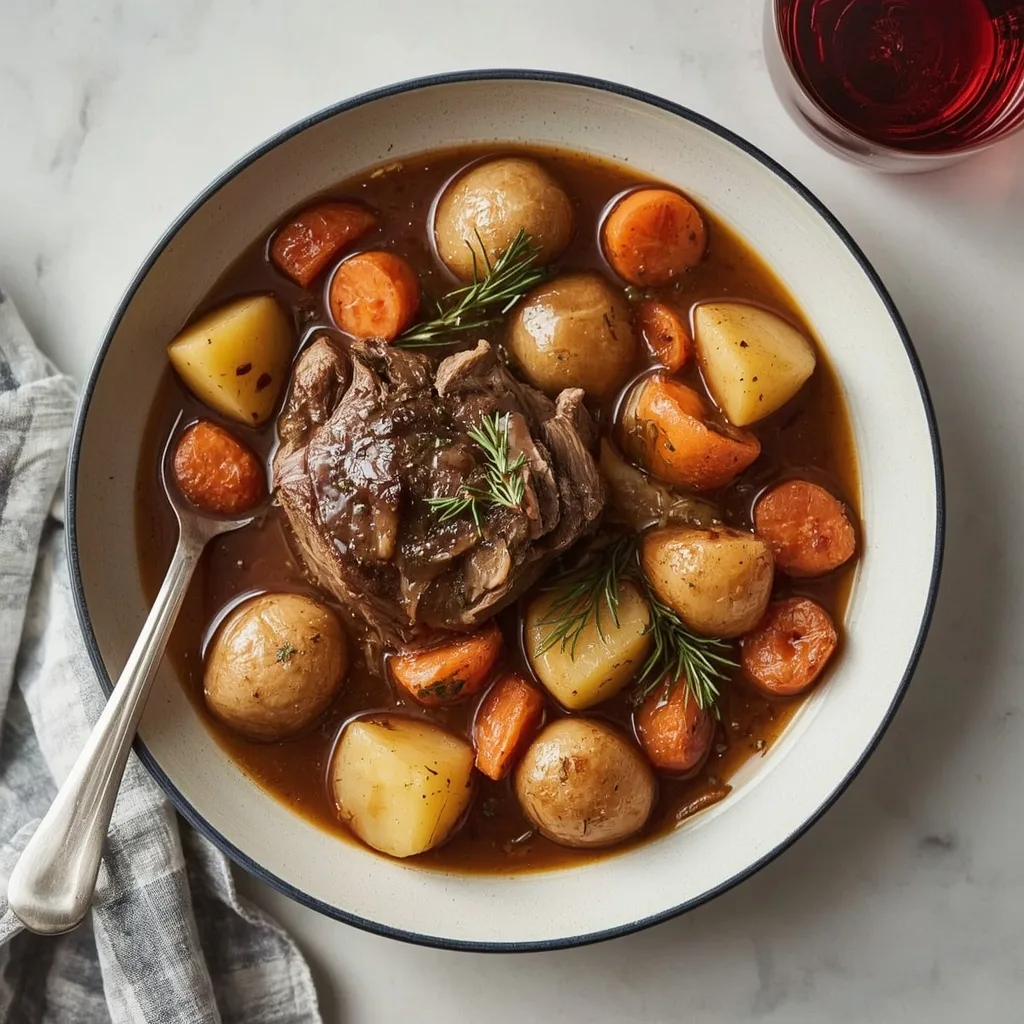
There is something deeply satisfying about a pot roast that fills your whole house with warmth. This Pioneer Woman Pot Roast with Carrots and Potatoes delivers exactly that — a fork-tender beef chuck roast swimming in a rich, savory gravy alongside sweet carrots and hearty potatoes. It is the kind of meal that feels like a hug on a plate.
Sunday dinners and holiday gatherings are the perfect occasions for this dish. The total cook time runs about 230 minutes, but most of that is hands-off braising in the oven. The method relies on low, slow cooking to break down the chuck roast into melt-in-your-mouth perfection. A classic American comfort meal, it pairs a simple sear with aromatic vegetables and a deeply flavored braising liquid.
What is Pioneer Woman Pot Roast with Carrots and Potatoes?
This is a one-pot meal built around a boneless beef chuck roast that gets browned hard, then braised with onions, garlic, tomato paste, and red wine. Carrots and Yukon Gold potatoes join the party halfway through cooking so they soak up the gravy without turning to mush. The result is a thick, glossy sauce and meat that pulls apart with the slightest pressure from a fork.

Why You’ll Love This Recipe
- The meat comes out impossibly tender — braising at 300°F for over three hours melts the collagen in the chuck, giving you strands of beef that practically fall apart on their own.
- You build deep flavor in the same pot — searing the roast, caramelizing the tomato paste, and deglazing with wine create layers of savory richness without extra dishes.
- The vegetables cook right in the gravy — no need for a separate side dish. The carrots and potatoes absorb the beefy, herby liquid as they braise together.
- Leftovers taste even better the next day — the flavors meld overnight, making this an ideal make-ahead meal for busy weeks.
- Simple pantry ingredients do all the work — you likely have most of the seasonings, broth, and wine on hand. No exotic shopping trips required.
- The gravy thickens naturally from the flour dredge — the initial coating on the roast acts as a built-in thickener, supported by a quick slurry at the end if needed.
Essential Ingredients for Pioneer Woman Pot Roast with Carrots and Potatoes
Each ingredient here plays a specific role in building texture and flavor. Here is what you need and why it matters.
The Meat
- 1 (3-pound) boneless beef chuck roast — this cut has enough marbling and connective tissue to become tender during long braising. Trim excess fat but leave some for flavor.
The Seasonings and Dredge
- 2 teaspoons kosher salt — use kosher for its clean flavor and easy distribution; fine table salt would make this too salty.
- 1 teaspoon black pepper, freshly ground — pre-ground pepper lacks the aromatic punch you want here.
- 1/4 cup all-purpose flour — coating the roast helps develop a deeper sear and thickens the gravy as it simmers.
The Aromatics and Liquid
- 2 tablespoons olive oil, divided — use a neutral olive oil for searing; extra-virgin can burn at high heat.
- 1 large yellow onion, cut into 1-inch chunks — yellow onion gives a mellow sweetness after browning, the backbone of the gravy.
- 4 cloves garlic, minced — added late to avoid scorching; thirty seconds is all it needs.
- 2 tablespoons tomato paste — caramelizing the paste for a minute deepens the savory umami profile.
- 1 cup dry red wine — Merlot or Cabernet Sauvignon work well. The alcohol cooks off, leaving fruity, tannic notes. Use extra beef broth as a non-alcoholic swap.
- 2 cups low-sodium beef broth — low-sodium gives you control over the final salt level.
- 1 tablespoon Worcestershire sauce — adds a subtle tangy, savory boost that enhances the beefiness.
The Herbs and Vegetables
- 2 sprigs fresh rosemary (or 1 teaspoon dried) — rosemary lends a piney, earthy note that complements braised beef.
- 4 sprigs fresh thyme (or 1 teaspoon dried) — thyme adds a gentle floral herbaceousness; whole sprigs are easy to remove later.
- 2 bay leaves — bay leaves contribute a subtle tea-like bitterness that balances the richness.
- 4 medium carrots (about 1 pound), peeled and cut into 2-inch chunks — chunk size matters; too small and they turn to paste during the 45-60 minute braise.
- 2 pounds Yukon Gold potatoes, cut into 1 1/2-inch chunks — Yukon Golds hold their shape better than russets and have a buttery texture that soaks up gravy.
- 2 tablespoons unsalted butter, softened (optional, for finishing) — whisking in cold butter at the end gives the gravy a velvety sheen and richer mouthfeel.
- 2 tablespoons fresh parsley, chopped (for garnish) — a bright, fresh finish that cuts through the richness.
Equipment You’ll Need
- A large Dutch oven (at least 6 quarts) — this is the star piece. It holds the whole roast and vegetables, conducts heat evenly, and has a tight-fitting lid for braising. A heavy-bottomed pot with an oven-safe lid works as a backup.
- Paper towels — patting the roast bone-dry before seasoning is non-negotiable. Wet meat steams instead of searing.
- Wooden spoon — the flat edge helps scrape up the browned fond (the stuck-on bits) from the bottom of the pot when you deglaze with wine.
- Instant-read thermometer — checking that the thickest part of the roast hits at least 195°F ensures pull-apart tenderness. You can also test with a fork, but the thermometer gives certainty.
- Cutting board with a moat — slicing the roast against the grain produces clean cuts, and the moat catches juices you can pour back over the meat.
Instructions to Make Pioneer Woman Pot Roast with Carrots and Potatoes
The process follows a logical flow: sear, soften aromatics, deglaze, braise, add vegetables, finish the gravy. Stick to the order and you will nail it.
- Prepare the Roast — Pat the chuck roast very dry with paper towels. Season all over with salt and pepper, then dredge in flour, shaking off excess. Reserve any leftover flour for thickening later.
- Sear the Meat — Heat 1 tablespoon olive oil in the Dutch oven over medium-high heat. When the oil shimmers, add the roast and sear without moving for 4-5 minutes per side. Turn to get all sides and the ends. A deep brown crust is your goal — do not rush this step.
- Cook the Aromatics — Reduce heat to medium, add the remaining oil and the onion chunks. Cook 4-5 minutes until softened and browning at the edges. Add garlic and cook 30 seconds until fragrant, scraping up any browned bits.
- Build the Braising Base — Stir in tomato paste and cook 1 minute, stirring constantly. Pour in the red wine and use the wooden spoon to deglaze the pot fully. Let the wine simmer 2-3 minutes until reduced by half.
- Add Broth and Herbs — Stir in beef broth, Worcestershire sauce, rosemary, thyme, and bay leaves. Bring to a gentle simmer. Return the roast and any accumulated juices to the pot. The liquid should come about halfway up the roast; add a splash more broth if needed.
- Braise in the Oven — Cover with the lid and transfer to a preheated 300°F oven. Cook for 2 hours undisturbed. After 2 hours, add the carrot and potato chunks around the roast, tucking them into the liquid. Cover and return to the oven.
- Finish Cooking — Continue braising for another 45-60 minutes until the meat is fork-tender (at least 195°F internal) and the vegetables pierce easily with a knife. If not tender at 3 hours, continue in 20-minute increments.
- Rest and Separate — Transfer the roast to a cutting board and tent with foil. Use a slotted spoon to move the vegetables to a serving platter. Discard the herb stems and bay leaves.
- Thicken the Gravy — Place the Dutch oven over medium-high heat. If you reserved leftover flour, whisk 1 tablespoon of it with 2 tablespoons cold water to make a slurry. Stir the slurry into the simmering liquid and cook 2-3 minutes until thickened. Season with salt and pepper. Whisk in the softened butter if using.
- Slice and Serve — Slice the roast against the grain into 1/2-inch thick slices. Arrange on the platter with the vegetables, ladle gravy over the top, garnish with parsley, and serve with extra gravy on the side.
Common Mistakes I Made (And How I Fixed Them)
- Not drying the roast enough — the first time I tried this, the meat steamed instead of searing. Now I use three paper towels and press firmly. A dry surface is the only way to get that deep brown crust.
- Rushing the sear — I used to flip the roast every minute because I thought it was burning. The crust needs 4-5 minutes undisturbed per side. Trust the process; the fond on the pot bottom is flavor gold.
- Adding the vegetables too early — I tossed everything in at the start once. The potatoes turned to mush and the carrots were barely recognizable. Adding them at the 2-hour mark keeps them firm-tender, not falling apart.
- Skipping the deglazing step — I thought the wine was just for flavor, not for lifting the fond. Skipping deglazing left a lot of flavor stuck to the pot. Now I scrape thoroughly with a wooden spoon until the bottom is clean.
- Cutting the roast too soon — slicing right out of the oven made the meat shred and spill its juices. Letting it rest under foil for at least 10 minutes gives the fibers time to reabsorb the liquid.
Best Tips for Pioneer Woman Pot Roast with Carrots and Potatoes Success
- Pat the roast very dry before seasoning — moisture creates steam, and steam prevents browning. A dry surface leads to a rich, caramelized crust that deepens the gravy flavor.
- Sear on medium-high heat, not high — high heat can burn the flour coating before the crust forms. Medium-high gives you a deep brown color without bitterness from scorched flour.
- Deglaze with wine and scrape thoroughly — the browned bits on the bottom of the pot are concentrated flavor. Use a wooden spoon to scrape them all up while the wine simmers. This step is the foundation of the gravy.
- Keep the oven at 300°F, not higher — a higher temperature will cook the meat faster but leave it tough. The low heat slowly melts connective tissue, making the chuck fork-tender without drying out.
- Check tenderness with a fork, not a timer — ovens vary. After the 45-60 minute vegetable braise, poke the meat with a fork. It should slide in with almost no resistance. If not, cook in 20-minute increments until it does.
- Tent the meat under foil before slicing — this rest period allows the juices to redistribute. Skipping it leads to dry slices and a puddle of liquid on the cutting board.
- Whisk in cold butter at the end for a glossy gravy — the butter adds a silky texture and rounds out any sharp edges from the wine or tomato paste. It is optional but transformative.
Best Ingredient Swaps for Pioneer Woman Pot Roast with Carrots and Potatoes
- Red wine substitute — use an additional cup of low-sodium beef broth mixed with 1 tablespoon balsamic vinegar. The vinegar mimics the acidity and depth of wine without alcohol.
- Fresh herbs for dried — replace 2 sprigs rosemary with 1 teaspoon dried rosemary, and 4 sprigs thyme with 1 teaspoon dried thyme. Dried herbs are more concentrated, so reduce the amount by half.
- Potato swap — use red potatoes or russet potatoes instead of Yukon Gold. Red potatoes hold their shape well; russets will break down more and thicken the gravy slightly.
- Carrot alternative — substitute parsnips for half the carrots for a sweeter, earthier flavor. Cut them into similar 2-inch chunks to ensure even cooking.
- Butter alternative — skip the finishing butter entirely for a dairy-free version, or use a plant-based butter. The gravy will still taste excellent, just a bit less luxurious.
Delicious Variations to Try
- Herb-infused red wine — steep a cinnamon stick and a strip of orange zest in the wine for 10 minutes before adding it to the pot. This gives the gravy a warm, spiced undertone.
- Mushroom and pearl onion version — add 8 ounces of halved cremini mushrooms and 1 cup frozen pearl onions alongside the carrots and potatoes. They release extra umami into the braising liquid.
- Spicy pot roast — stir 1 diced chipotle pepper in adobo sauce into the broth along with the Worcestershire. The smokiness pairs surprisingly well with the red wine and rosemary.
- Root vegetable medley — swap half the potatoes for 1-inch chunks of celery root and turnip. They hold up to long braising and bring a subtle peppery note.
- Red wine and balsamic finish — after braising, stir in 1 tablespoon balsamic vinegar and a pinch of brown sugar into the gravy. The tangy-sweet balance elevates the entire dish.
- Garlic lovers’ roast — add 6 whole peeled garlic cloves to the pot when you add the vegetables. They soften into sweet, spreadable cloves that you can mash into the gravy.
How to Store Leftovers Properly
- Refrigerate in an airtight container — separate the meat and vegetables from the gravy to keep the vegetables from turning mushy. Store everything in the fridge for up to 4 days.
- Freeze for longer storage — place the sliced meat and vegetables in a freezer-safe bag or container, and freeze the gravy separately in a different container. Both keep well for up to 3 months.
- Cool completely before covering — hot food raises the temperature of your fridge and can cause condensation. Let leftovers sit at room temperature for about 30 minutes before sealing and refrigerating.
- Label with the date and contents — it sounds obvious, but frozen braising liquid looks identical to soup stock. Write a quick note so you know exactly what you are pulling out.
How to Reheat Pioneer Woman Pot Roast with Carrots and Potatoes
The best way to bring this dish back to life is to reheat it gently so the meat stays moist and the vegetables do not fall apart. Here are three reliable methods.
- Stovetop method — place the meat, vegetables, and gravy in a skillet or small pot over medium-low heat. Cover and cook for 8-10 minutes, stirring the gravy occasionally, until heated through. Add a splash of broth if the gravy looks too thick.
- Oven method — preheat the oven to 300°F. Spread the leftovers in an oven-safe dish, cover tightly with foil, and bake for 15-20 minutes. The low heat keeps the meat from drying out.
- Microwave method — place individual portions in a microwave-safe bowl, cover with a damp paper towel, and heat on medium power in 60-second bursts. Stir the gravy between bursts. This is the fastest option, but the meat can turn rubbery if overheated.
Nutritional Breakdown (Per Serving)
Each serving assumes one-fourth of the entire recipe, including the vegetables and gravy. Values are estimates based on the ingredients listed.
- Calories: 844
- Protein: 67g
- Fat: 40g
- Carbohydrates: close to 54g
- Fiber: 6g
- Sugar: 8g
- Sodium: around 820mg
- Saturated Fat: roughly 14g
- Cholesterol: about 190mg
FAQs
Can I use a different cut of beef for this recipe?
Chuck roast is ideal because of its marbling and collagen. Beef brisket or bottom round work, but they are leaner and may turn out slightly drier. Reduce the braising time for leaner cuts and check tenderness earlier.
Do I have to use wine in the Pioneer Woman Pot Roast with Carrots and Potatoes?
No, you can substitute the red wine with an additional cup of low-sodium beef broth mixed with 1 tablespoon balsamic vinegar. The vinegar provides the acidity that balances the richness of the meat and gravy.
Can I make Pioneer Woman Pot Roast with Carrots and Potatoes in a slow cooker?
Yes, you can. Sear the roast and cook the aromatics on the stovetop first, then transfer everything, including the broth and herbs, to a slow cooker. Cook on low for 8 hours, adding the vegetables during the last 2 hours.
How do I know when the pot roast is fully cooked?
Use an instant-read thermometer inserted into the thickest part of the roast. It should read at least 195°F for pull-apart tenderness. You can also test by poking the meat with a fork — it should slide in with very little resistance.
What can I serve with this pot roast besides the carrots and potatoes?
Crusty bread, egg noodles, or creamy mashed potatoes are all excellent choices to soak up the extra gravy. A simple green salad with a tangy vinaigrette also balances the richness.
Can I freeze the leftovers?
Absolutely. Store the meat, vegetables, and gravy in separate airtight containers for up to 3 months. Thaw overnight in the refrigerator before reheating gently on the stovetop or in the oven.
Try These Recipes
Final Words
This Pioneer Woman Pot Roast with Carrots and Potatoes is the kind of meal that makes a busy week feel manageable and a Sunday afternoon feel special. The technique is straightforward, the ingredients are approachable, and the payoff is a fork-tender, gravy-smothered dinner that everyone at the table will love. Give it a try — you deserve a home-cooked meal that actually delivers on its promises.
Pioneer Woman Pot Roast with Carrots and Potatoes
A fork-tender beef chuck roast braised low and slow with sweet carrots and hearty potatoes in a rich, savory gravy. This classic American comfort dish fills the kitchen with an irresistible aroma and delivers melt-in-your-mouth meat and perfectly cooked vegetables.
SAVE THIS RECIPE!
Get this sent to your inbox, plus get new recipes from us every week!
INGREDIENTS
INSTRUCTIONS
-
1
Pat the beef chuck roast dry with paper towels — removing surface moisture ensures a deep, golden sear. Season all over with kosher salt and black pepper, then dredge the roast in the flour, shaking off any excess. Reserve the remaining flour for thickening the gravy later if needed.
-
2
Set a large Dutch oven (at least 6 quarts) over medium-high heat and add 1 tablespoon of the olive oil. When the oil shimmers, carefully place the floured roast in the pot. Sear without moving for 4-5 minutes until a rich brown crust forms, then turn and sear the other side. Repeat on all sides, including the ends, for a total of 4-5 minutes per side. Transfer the seared roast to a plate and set aside.
-
3
Reduce the heat to medium and add the remaining 1 tablespoon olive oil. Add the onion chunks and cook, stirring occasionally, for 4-5 minutes until softened and beginning to brown at the edges. Add the minced garlic and cook for 30 seconds until fragrant, scraping up any browned bits from the bottom of the pot.
-
4
Stir in the tomato paste and cook for 1 minute, stirring constantly — this caramelizes the paste and deepens the savory flavor. Pour in the red wine (or extra broth) and use a wooden spoon to deglaze the pot, scraping up all the browned fond from the bottom. Let the wine simmer for 2-3 minutes until reduced by half.
-
5
Add the beef broth, Worcestershire sauce, rosemary sprigs, thyme sprigs, and bay leaves. Bring the liquid to a gentle simmer. Return the seared roast to the pot, along with any accumulated juices from the plate. The liquid should come about halfway up the sides of the roast; if not, add a splash more broth or water.
-
6
Cover the Dutch oven with a tight-fitting lid and transfer to a preheated 300°F (150°C) oven. Braise for 2 hours undisturbed. The low, slow heat breaks down the connective tissue in the chuck, ensuring a tender result. After 2 hours, carefully remove the pot from the oven and add the carrot chunks and potato chunks around the roast, tucking them into the liquid. Cover again and return to the oven.
-
7
Continue braising for another 45-60 minutes, until the meat is fork-tender (an instant-read thermometer inserted into the thickest part should read at least 195°F / 90°C for pull-apart tenderness) and the vegetables are easily pierced with a knife. If the roast is not tender after 3 hours total, continue cooking in 20-minute increments.
-
8
Carefully transfer the roast to a cutting board and tent loosely with foil. Use a slotted spoon to transfer the vegetables to a serving platter, leaving the braising liquid in the pot. Discard the rosemary and thyme stems and bay leaves.
-
9
Place the Dutch oven with the braising liquid over medium-high heat. If you reserved leftover flour, whisk 1 tablespoon of it with 2 tablespoons cold water to make a slurry. Stir the slurry into the simmering liquid and cook for 2-3 minutes until thickened to a gravy consistency. Season with additional salt and pepper to taste. For extra richness, whisk in the softened butter until melted.
-
10
Slice the roast against the grain into 1/2-inch thick slices — cutting against the grain ensures each bite is tender. Arrange the slices on the platter with the vegetables, pour a ladleful of gravy over the top, and garnish with chopped fresh parsley. Serve immediately with extra gravy on the side.
NUTRITION
Calories: 844kcal | Carbohydrates: 54g | Protein: 67g | Fat: 40g | Sodium: 820mg | Fiber: 6g | Sugar: 8g
Nutrition information is automatically calculated, so should only be used as an approximation.